The Blue Economy: Innovation inspired by Nature
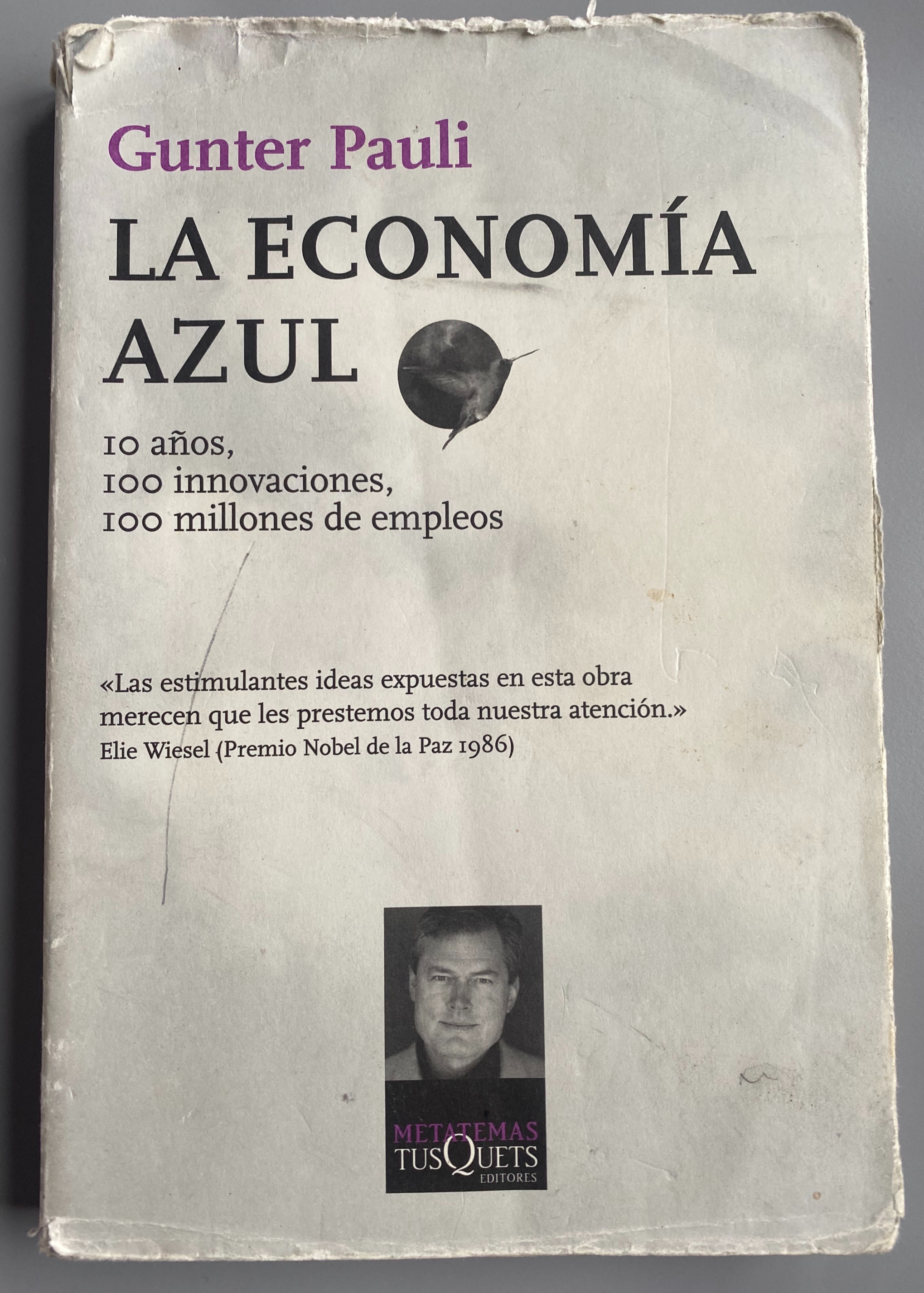
The Blue Economy, proposed by Gunter Pauli, puts forward an economic model inspired by the functioning of natural ecosystems, in which resources are used efficiently, and the waste from one process can become the raw material for another. The concept was formally presented in 2010 with the book The Blue Economy and introduced before the Club of Rome [1]. Unlike linear models — based on extracting, producing, and discarding — this proposal promotes productive cycles aimed at reducing waste, generating local value, and relieving pressure on natural resources (Pauli, 2010).
Schematic representation of the principles of "The Blue Economy" by Gunter Pauli
Since its publication, initiatives inspired by the Blue Economy have been launched in countries such as Colombia, Namibia, and Spain, in sectors including agriculture, energy, waste management, manufacturing, and tourism.
Fundamental Principles of the Blue Economy
The model goes beyond a technical proposal — it implies a shift in perspective based on four principles:
Inspiration from nature: Ecosystems operate in chains: the surplus from one process feeds the next. Unlike conventional industrial systems, in natural ecosystems, there is no such thing as waste.
Local resource use: Resources available within the territory are prioritized over imported inputs. This can reduce transport costs, support local employment, and make productive systems more resilient (less dependent on outside sources).
Replicability: The proposed innovations must be adaptable to very different contexts, from a rural African community to a European industrial city.
Measurable impact: An innovation is considered successful within this model if it simultaneously contributes to profitability, employment, and the preservation of the natural environment. When any of these three dimensions is not met, the approach is incomplete.
Innovations Inspired by the Blue Economy
In The Blue Economy (2010), Gunter Pauli presents 100 innovations inspired by natural processes. The author estimates that these initiatives have the potential to generate 100 million jobs in 10 years, through the efficient use of local resources and the reduction of waste. Among the most emblematic cases are:
Edible Mushrooms from Coffee Waste
Coffee by-products — such as pulp and husks — are used as a substrate, meaning a growth base, to cultivate edible mushrooms (Pleurotus ostreatus, known as oyster mushrooms). The process involves mixing these residues with mycelium — the mushroom's "seed" — and placing them in perforated bags in a humid, dark environment; after three or four weeks, approximately 200 grams of fresh mushroom are obtained per kilogram of dry residue, with no need for agrochemicals. After harvesting, the remaining substrate can be used as poultry feed or as fertilizer, completing the utilization cycle. According to Pauli, organizations such as Mushroom in Kenya have promoted this technique among local farmers with the aim of diversifying their food production and earning additional income through mushroom sales (Pauli, 2010).
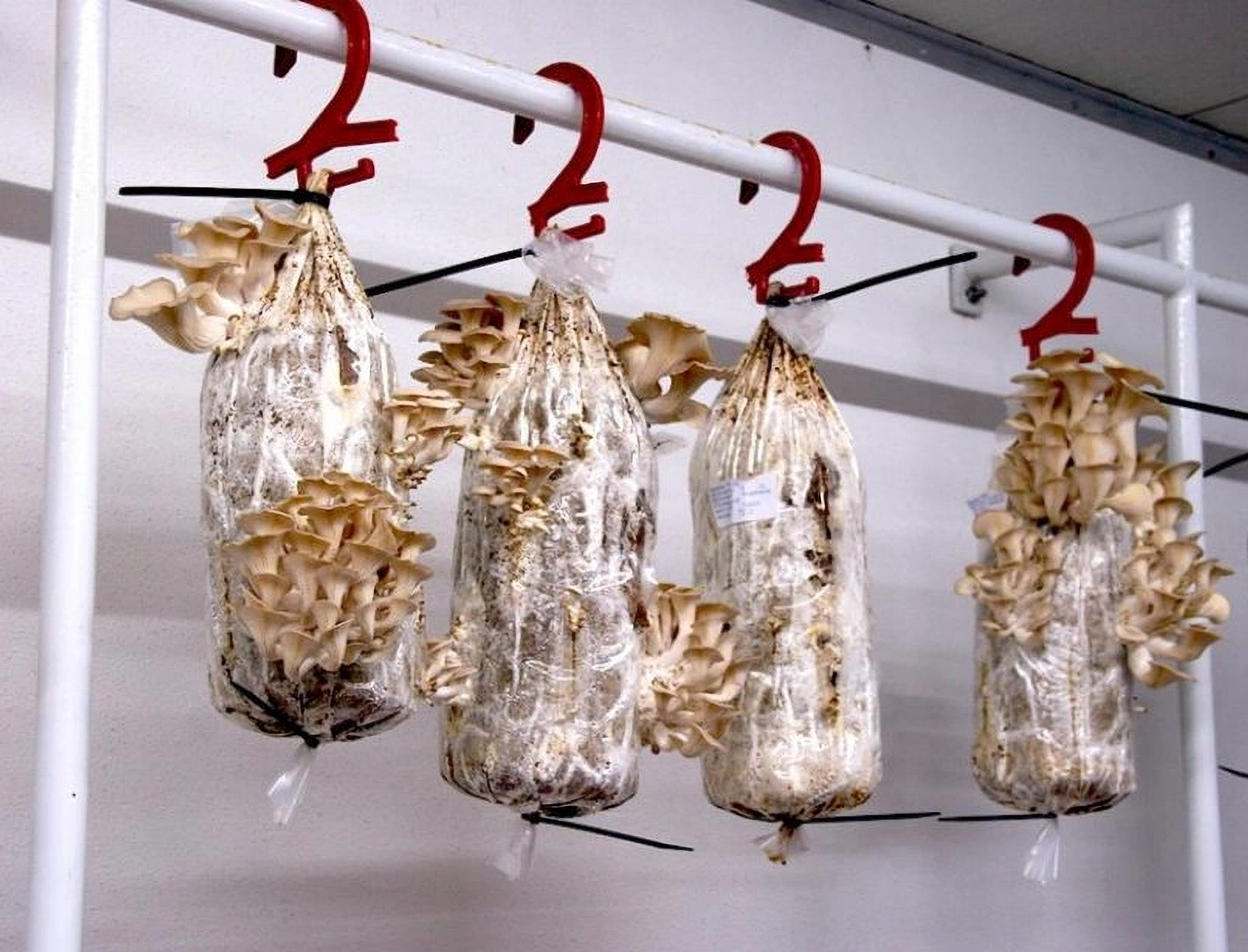
Cultivation of Pleurotus oyster mushrooms on a coffee grounds substrate in perforated bags at the Rotterzwam facilities, the Netherlands (WebUrbanist, 2017)
Mycelium-Based Biomaterials for Packaging
Mycelium — the network of filaments that forms the vegetative body of the mushroom — acts as a biological binder that grows on agricultural waste and forms rigid structures similar to expanded polystyrene, but completely biodegradable (Haneef et al., 2017). The company Ecovative Design has developed packaging using this technology for companies such as Dell and IKEA (Pauli, 2010).
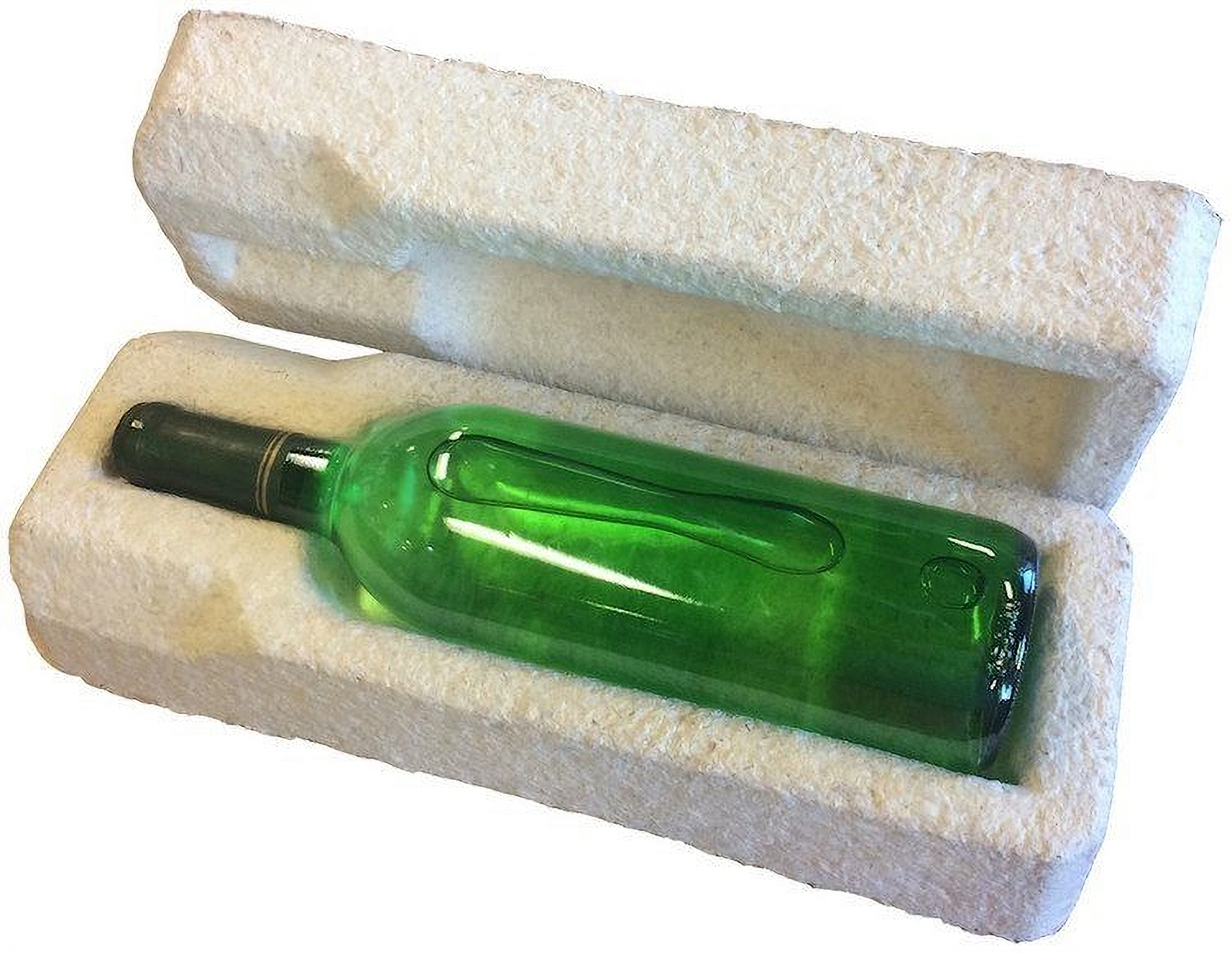
Mycelium growth on agricultural substrate for the formation of biodegradable packaging blocks as an alternative to polystyrene (EcoWatch, 2016)
Aquaponics: Integrating Aquaculture and Hydroponics
Aquaponics is a system that combines fish farming with plant cultivation in water, with no need for soil. The metabolic waste produced by the fish is processed by nitrifying bacteria — microorganisms that transform nitrogen compounds into forms that plants can absorb — thus providing nutrients to the crops, while the plants purify the water that is recirculated back to the fish tanks. This method uses up to 90% less water than conventional agriculture. Companies such as Aponi Farm (Mexico) have implemented this technique as a sustainable production model (Rakocy et al., 2006; Pauli, 2010).
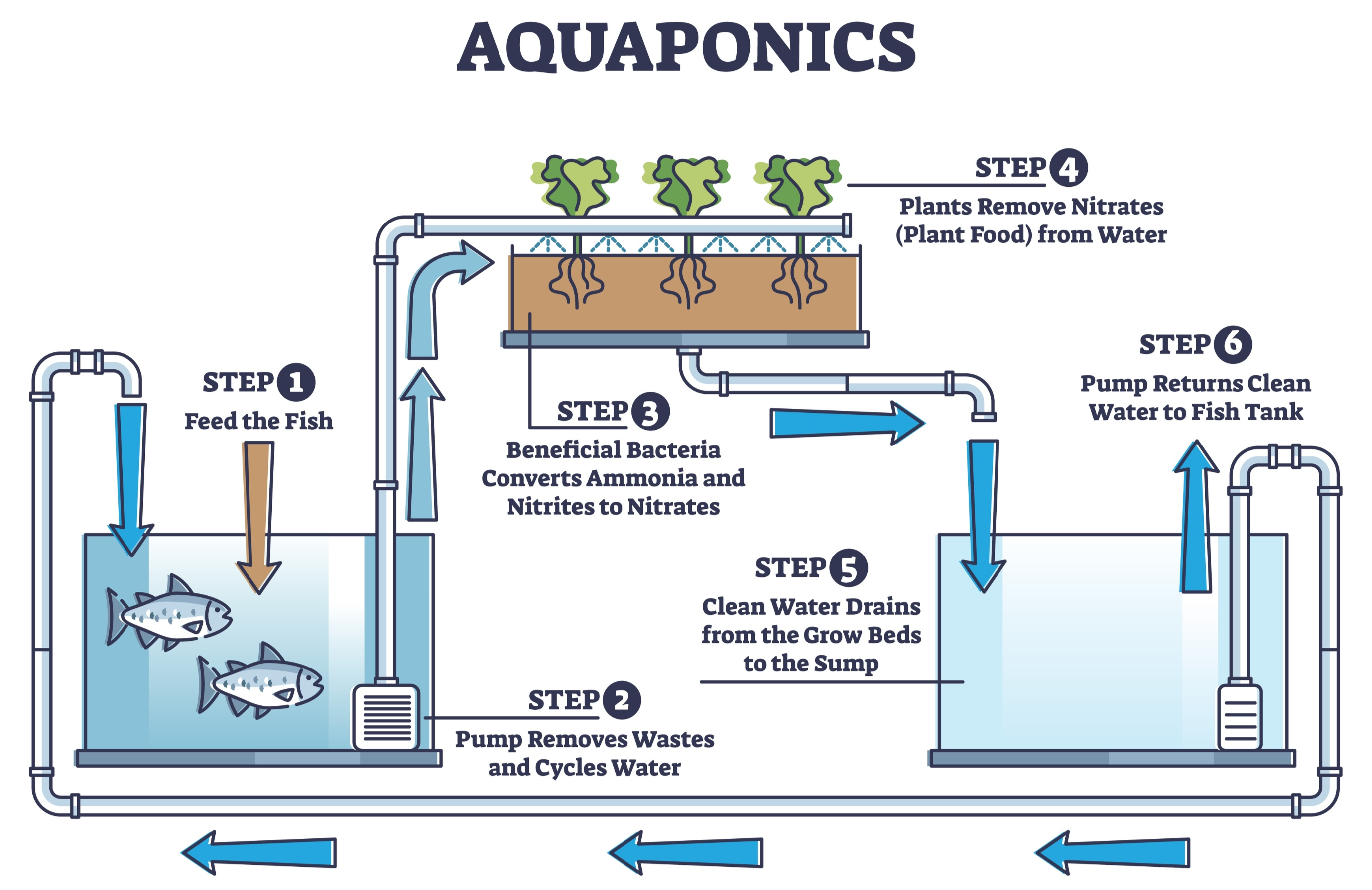
Diagram of the nutrient cycle in an aquaponics system, from fish feeding to water purification by the plants (Rakocy, 2006)
Refrigeration Without Electricity (Zeer / Pot-in-Pot System)
Developed by Nigerian teacher Mohammed Bah Abba, this system uses two clay containers of different sizes placed one inside the other, separated by a layer of wet sand. The evaporation of the water contained in the sand produces a temperature drop of up to 14 °C compared to the outside environment, sufficient to extend the preservation of perishable products by several additional days. The organization Practical Action has promoted the system in rural communities in Nigeria and Sudan. Pauli included it as one of the most representative examples of low-cost local technology: each unit costs less than 2 dollars and requires no electricity (Practical Action, 2010; Pauli, 2010).
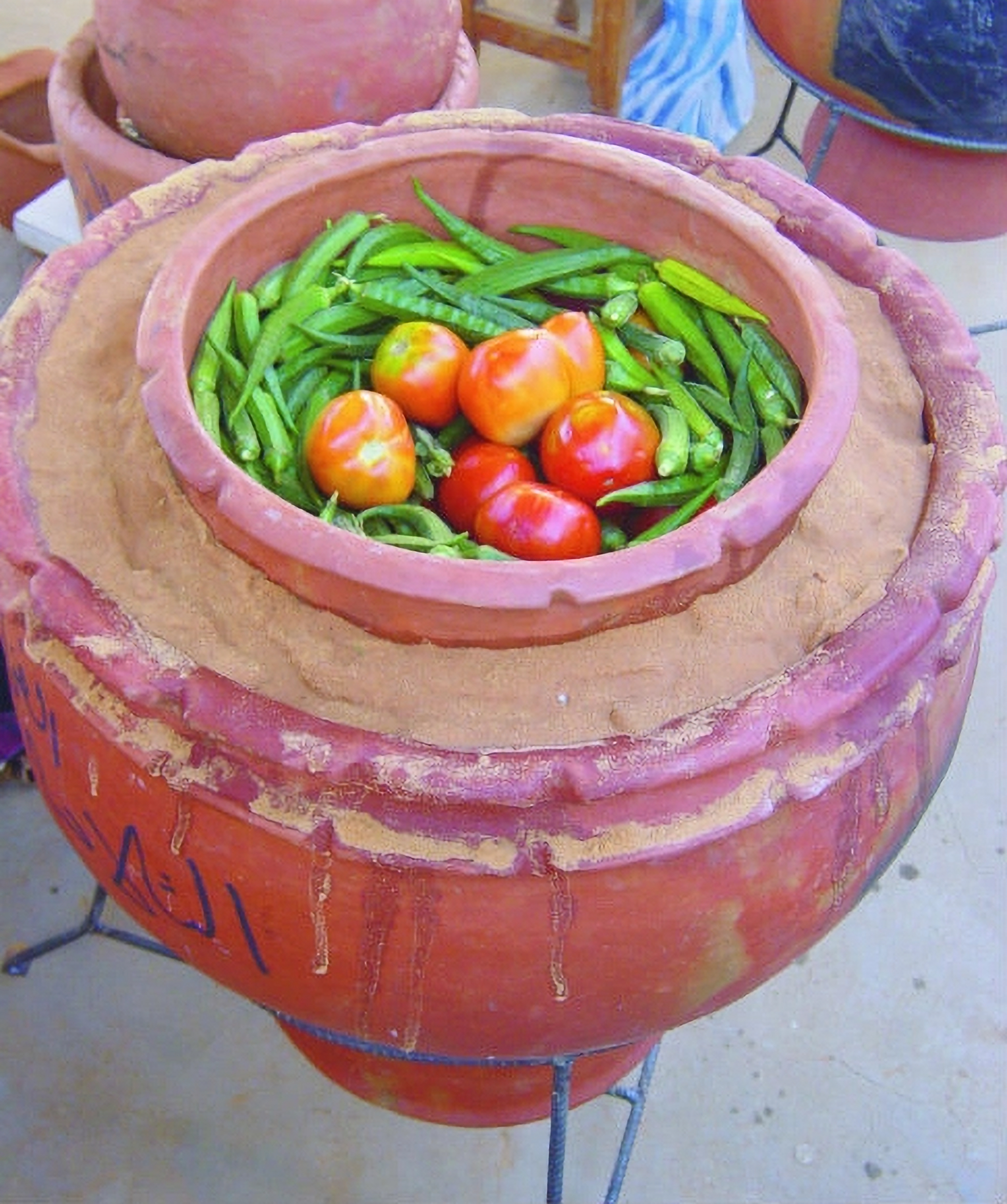
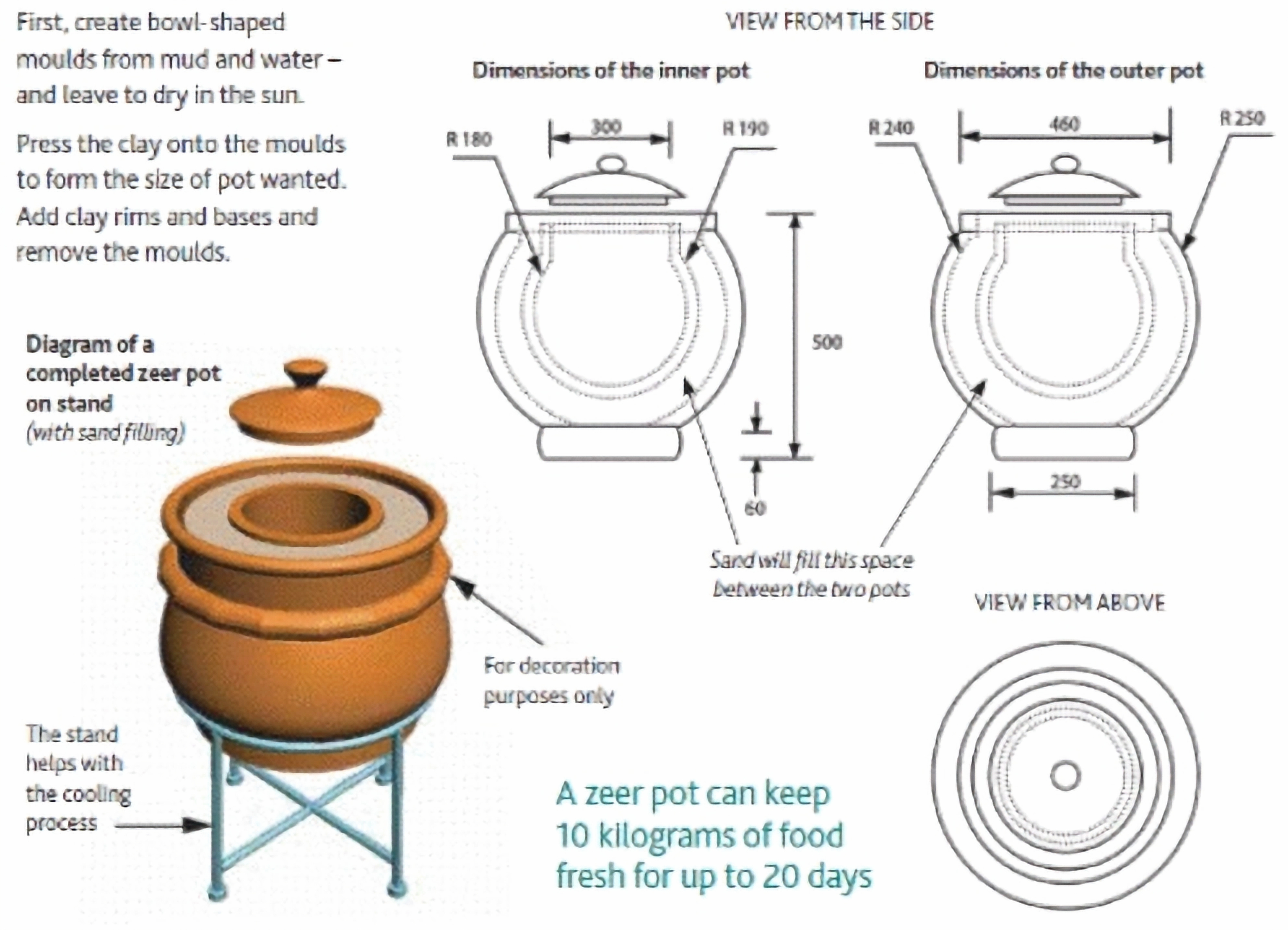
Technical plans for the pot-in-pot evaporative cooler with its construction dimensions, and inner clay container separated by the wet sand layer (Tearfund, 2015)
Clay Water Filters
Microporous clay filters work through small-sized pores that retain bacteria and certain microorganisms present in water. Many incorporate colloidal silver — a compound with antimicrobial properties that inhibits bacterial growth inside the filter. The organization Potters for Peace developed and distributed this type of filter in rural communities throughout Latin America and Africa as a low-cost alternative to improve access to safe drinking water (Pauli, 2010). Note: these filters are effective against bacteria and protozoa, but have limited efficacy against viruses and dissolved chemical contaminants.
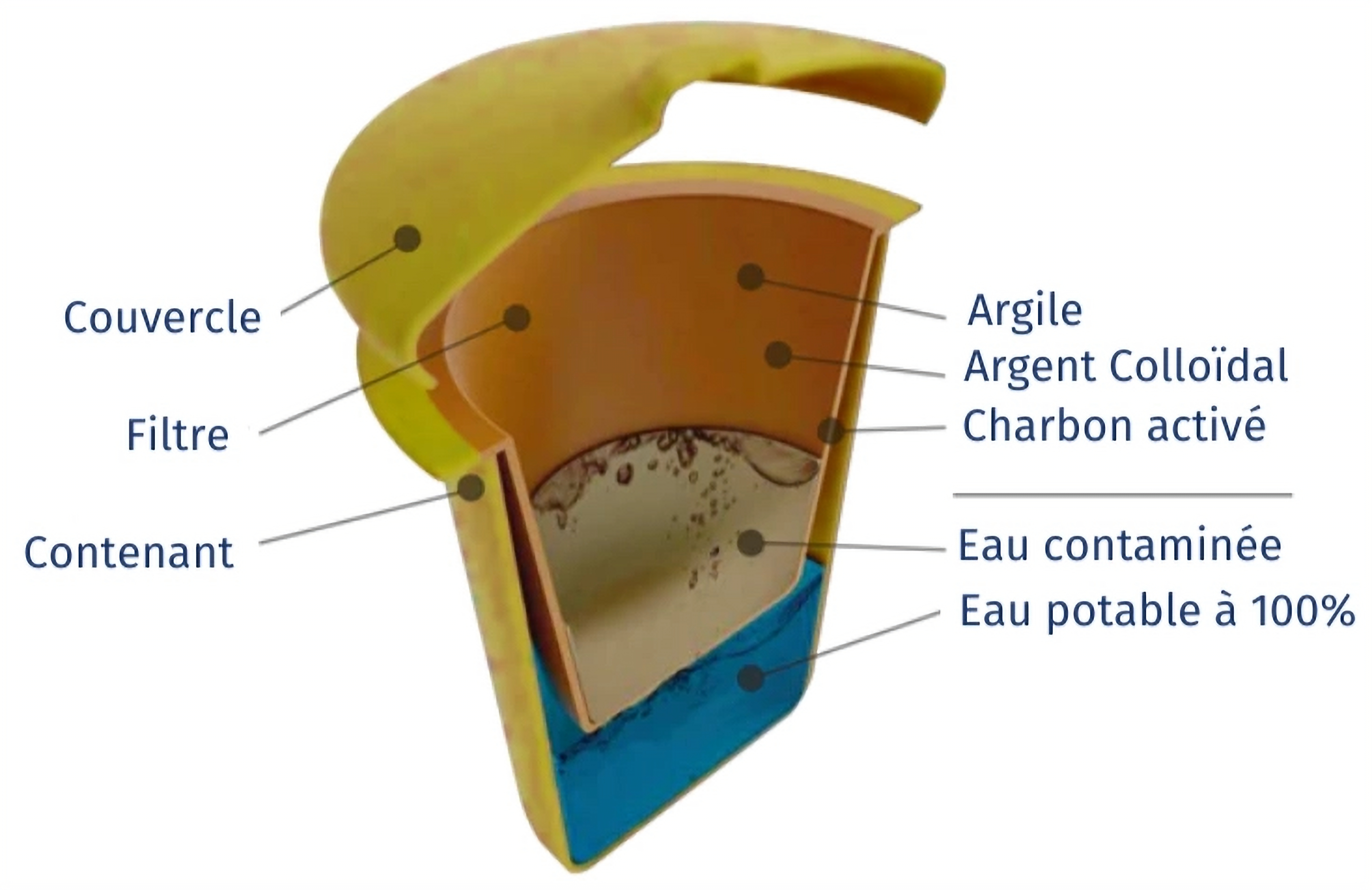
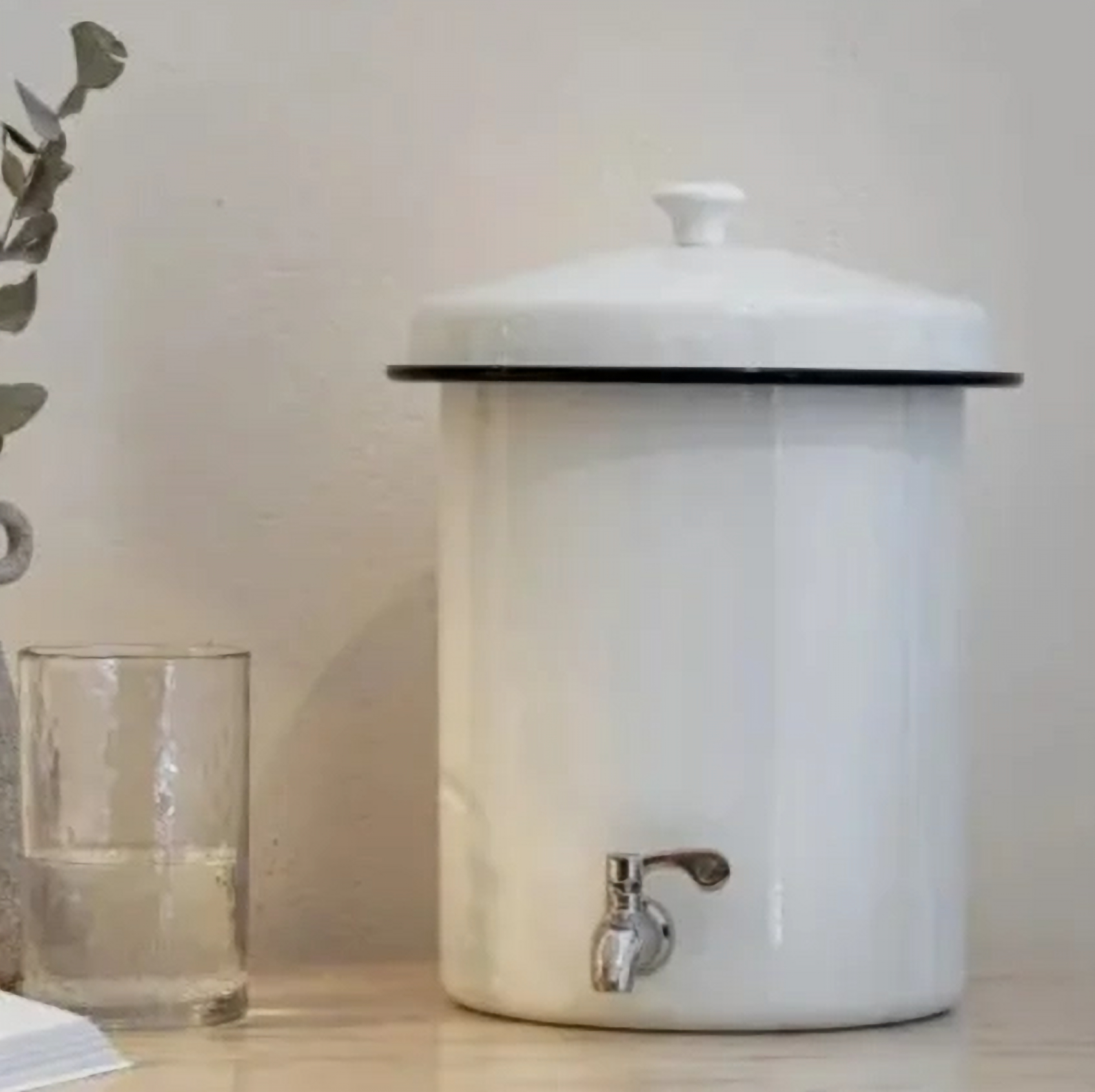
Cross-section diagram showing the filtration layers — clay, colloidal silver, and activated carbon — in the purification unit; and a 5-litre Ecofiltro commercial unit with a ceramic container and an integrated tap for domestic use (Biovie, 2017)
Biogas from Household Organic Waste
Domestic organic waste can be processed in biodigesters — sealed devices in which organic matter decomposes in the absence of oxygen — to produce biogas and a nutrient-rich liquid residue. Companies such as HomeBiogas (Israel/India) have developed domestic-scale units; the gas generated is used primarily for cooking, while the resulting effluent can be applied as fertilizer on crops, contributing to both reduced CO₂ emissions and lower household energy costs (Surendra et al., 2014).
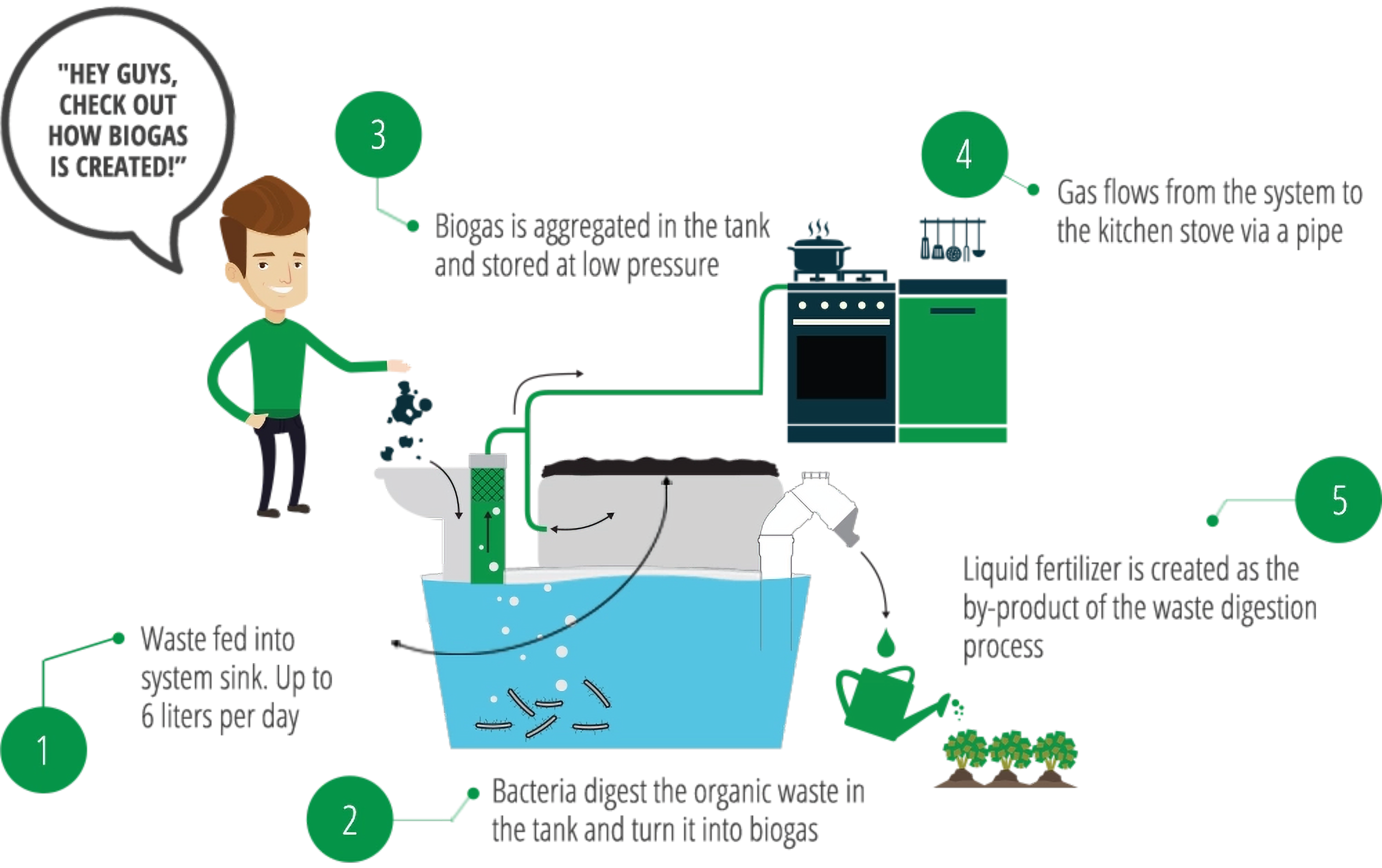
Domestic anaerobic digestion unit: biodegradable waste introduced into the system generates biogas for cooking and a liquid effluent usable as fertilizer (Waste360, 2017)
Bamboo as a Sustainable Structural Material
Bamboo can be used as a construction material following cutting, drying, and treatment processes that improve its durability and resistance to humidity and insects. Its remarkable rate of growth — some species reach structural maturity in three to five years — makes it a renewable alternative to conventional timber for certain small- and medium-scale constructions. At Green School, in Bali, this material has been used in multiple educational and community structures, positioning the project as a benchmark for sustainable architecture based on bamboo (Pauli, 2010).
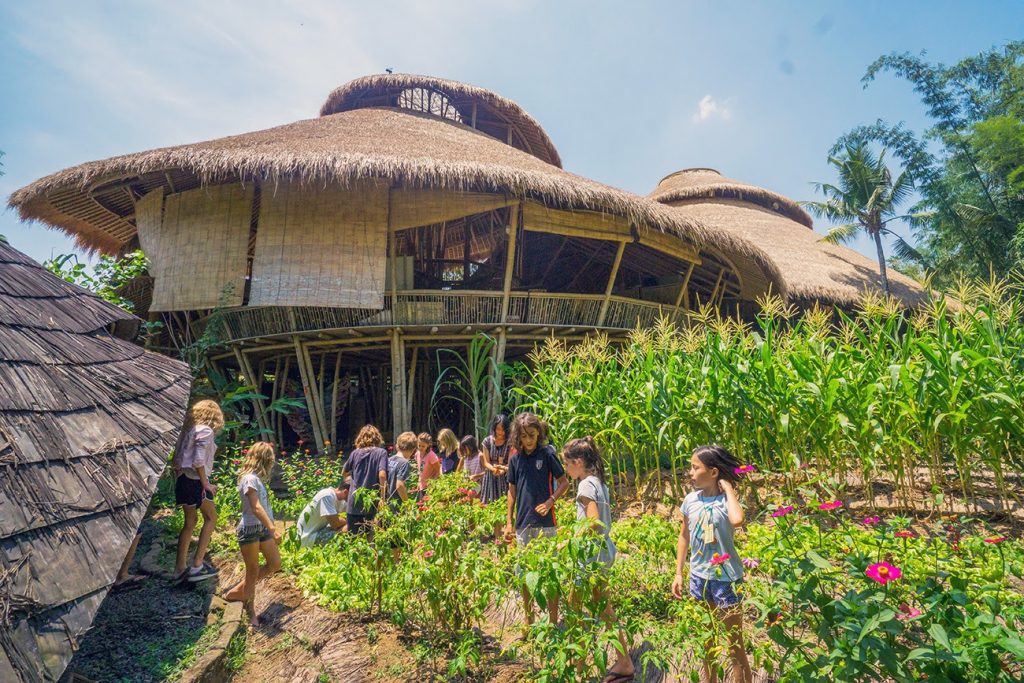
The Heart of School building (2009), a three-spiral bamboo structure at Green School in Bali, is regarded as a reference point for sustainable architecture based on natural materials (Ibuku, 2009)
Housing Construction with Recycled Materials (Earthships)
This architectural approach integrates waste materials such as glass bottles, tin cans, and tires, combined with compacted earth and other natural materials. These designs incorporate rainwater harvesting systems, greywater treatment, self-generated energy, and food production, seeking to reduce the demand for external resources and minimize waste generation. American architect Michael Reynolds [2] has been a pioneer with his Earthships, self-sufficient dwellings designed to make optimal use of natural resources (Reynolds, 1990; Pauli, 2010).
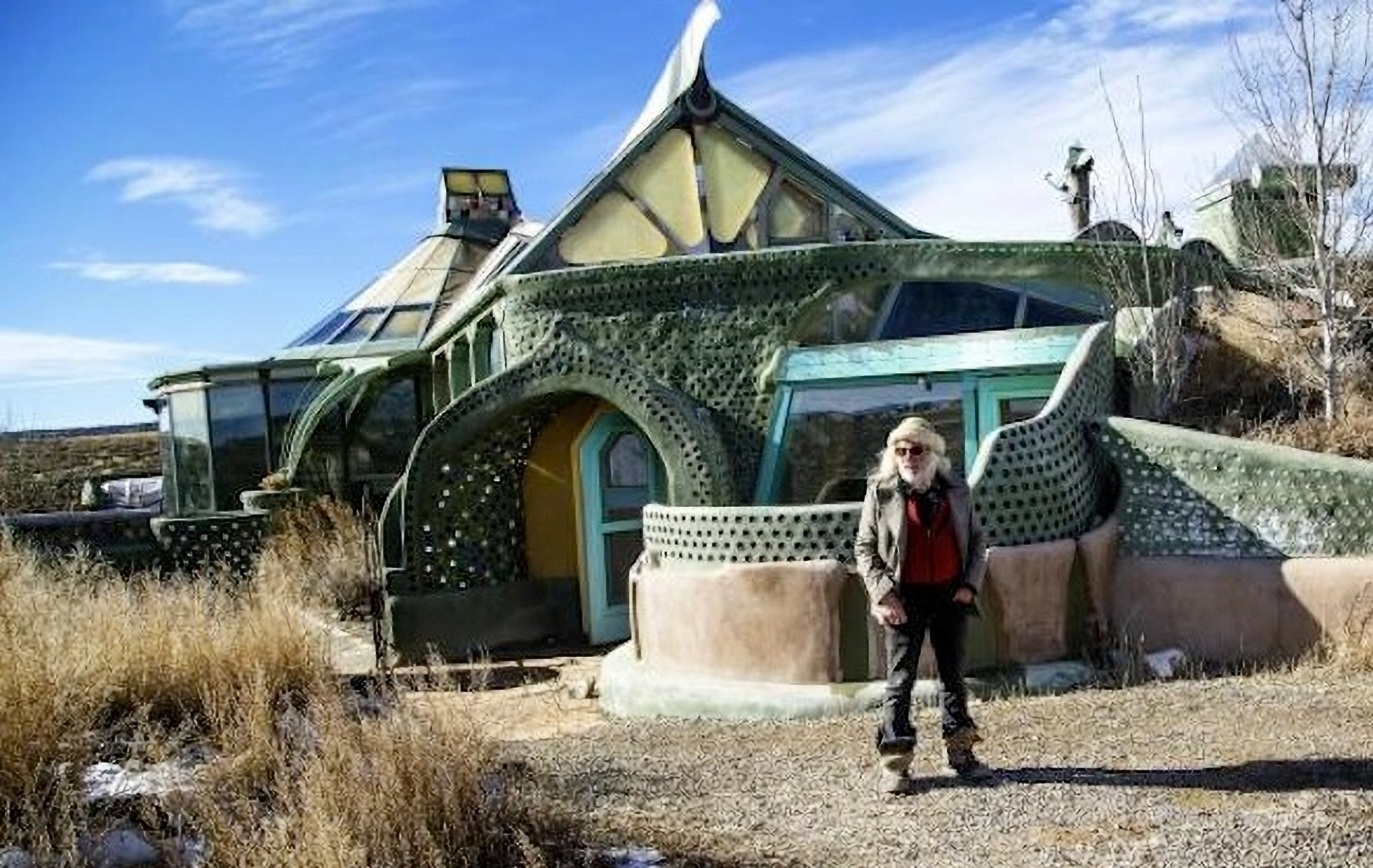
Michael Reynolds in front of an Earthship structure, showing the integration of recycled bottles into curved walls of compacted earth, making use of thermal mass and natural light (Design Indaba, 2017)
These cases illustrate that it is possible to design productive models inspired by nature that are less dependent on costly or polluting technologies.
Contributions to the Sustainable Development Goals (SDGs)
Organizations such as UNEP (United Nations Environment Programme) have identified the Blue Economy as a relevant approach for advancing the Sustainable Development Goals, given that its principles relate to the majority of them (UNEP, 2016).

17 Sustainable Development Goals (SDGs)
Gunter Pauli: Visionary of Sustainability
Born in Antwerp, Belgium, in 1956, Pauli is an economist and entrepreneur with a track record in the field of corporate sustainability. After earning his degree in Economics from the University of Antwerp in 1979 and an MBA from INSEAD, France, in 1982, he founded and led more than ten companies in sectors such as biotechnology and ecological products.
His experience with Ecover, a manufacturer of biodegradable detergents, led him to question the limits of sustainability. Although his products had a lower environmental impact than conventional ones, they depended on raw materials such as palm oil, whose production is associated with significant environmental impacts in the regions where it is grown. This contradiction drove him to develop more regenerative and locally grounded economic models (Pauli, 2010).
In 1994, Pauli founded Zero Emissions Research and Initiatives (ZERI) at the United Nations University in Tokyo. ZERI became a platform for promoting industrial systems inspired by nature, where waste becomes a resource and productive processes regenerate ecosystems rather than degrading them (Pauli, 1998).
His focus on leveraging local resources has earned him comparisons to innovative figures in the business world, including the nickname "the Steve Jobs of sustainability" for his ability to revolutionize traditional models. His collaboration with the Club of Rome helped raise the profile of the Blue Economy as a development proposal in countries such as Italy, China, and South Africa.
Conclusion: The Seed of Sustainability
The first time I heard Gunter Pauli speak was at a National Congress of ANEIAP, where I was struck by the way he presented business opportunities arising from urban and industrial waste. At that moment, I thought: "This man turns trash into business opportunities" — a vision I have always shared, and one that leads me to compare a steel bar with a PET bottle: two objects that, seen in the same light, are raw materials.
For years, I followed his work and his talks. Later, I had the good fortune of running into him in Geneva, where I personally thanked him for the inspiration he has represented for me.

Photo with Gunter Pauli in Geneva, Switzerland, 2017
"The future is not about extracting more, but thinking better"... JT
*****
Notes
[1] The Club of Rome is an international non-governmental organization and think tank founded in 1968, composed of scientists, economists, business leaders, and former politicians. Its primary objective is to address the planetary crisis by analyzing complex and interconnected problems such as population growth, sustainability, and the long-term depletion of resources.
[2] Michael Reynolds, founder of Earthship Biotecture and known as the "Garbage Warrior," is an American architect who is a pioneer of bioarchitecture — a design style that seeks to integrate buildings with nature in order to reduce environmental impact. His approach focuses on creating homes that not only use waste as a structural raw material but are also capable of managing all their own services entirely autonomously.
References
Biovie. (2017). Ecofiltro white water filter 5L. https://www.biovie.fr/en/925-ecofiltro-white-water-filter-5l.html
Design Indaba. (2017). Meet the people living in off-the-grid homes made from rubbish https://www.designindaba.com/videos/creative-work/meet-people-living-grid-homes-made-rubbish
EcoWatch. (2016). IKEA Plans to Ditch Toxic Polystyrene for Biodegradable Mushroom Packaging https://www.ecowatch.com/ikea-plans-to-ditch-toxic-polystyrene-for-biodegradable-mushroom-packa-1882187596.html
Ibuku. (2009). Heart of School at Green School. https://ibuku.com/project/heart-of-school-at-green-school/
Pauli, G. (1998). Zero Emissions: The Ultimate Goal of Cleaner Production. Journal of Cleaner Production.
Pauli, G. (2010). The Blue Economy: 10 years, 100 innovations, 100 million jobs. Paradigm Publications.
Practical Action. (2010). Refrigeration in developing countries. Technical Brief. https://learn.tearfund.org/-/media/learn/resources/footsteps/pdfs/footsteps-91-100/fs94-centrepages-en.pdf
Rakocy, J. E., Masser, M. P., & Losordo, T. M. (2006). Aquaponics—integrating fish and plant culture. SRAC Publication 454. https://agrilife.org/aquaculture/files/2012/05/SRAC-0454.pdf
Reynolds, M. (1990). Earthship: Volume I – How to build your own. Solar Survival Press.
Surendra, K. C., Takara, D., Khanal, S. K., & Roginski, H. (2014). Biogas as a sustainable energy source. Renewable and Sustainable Energy Reviews, 31, 846–859.
UNEP. (2016). Global Environment Outlook: GEO-6. United Nations Environment Programme.
Waste360. (2017). HomeBiogas unveils next generation of home digester. https://www.waste360.com/organic-waste/homebiogas-unveils-next-generation-of-home-digester
WebUrbanist. (2017). Waste to taste: Gourmet mushrooms grown on coffee grounds. https://weburbanist.com/2017/04/18/waste-to-taste-gourmet-mushrooms-grown-on-recycled-coffee-grounds/
Bonus track


Comments