Edward Glaeser: Urban knowledge as a driver of innovation and sustainability
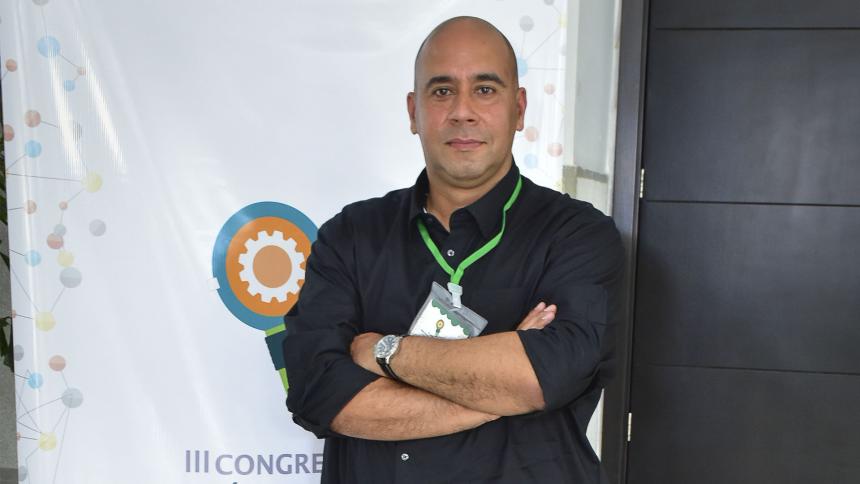
Economist Edward Glaeser [1], in his work Triumph of the City (2011), argues that the true engine of urban development does not lie in physical infrastructure, but in human capital. Urban density creates learning ecosystems in which proximity favors the exchange of information, thereby accelerating innovation and economic growth.
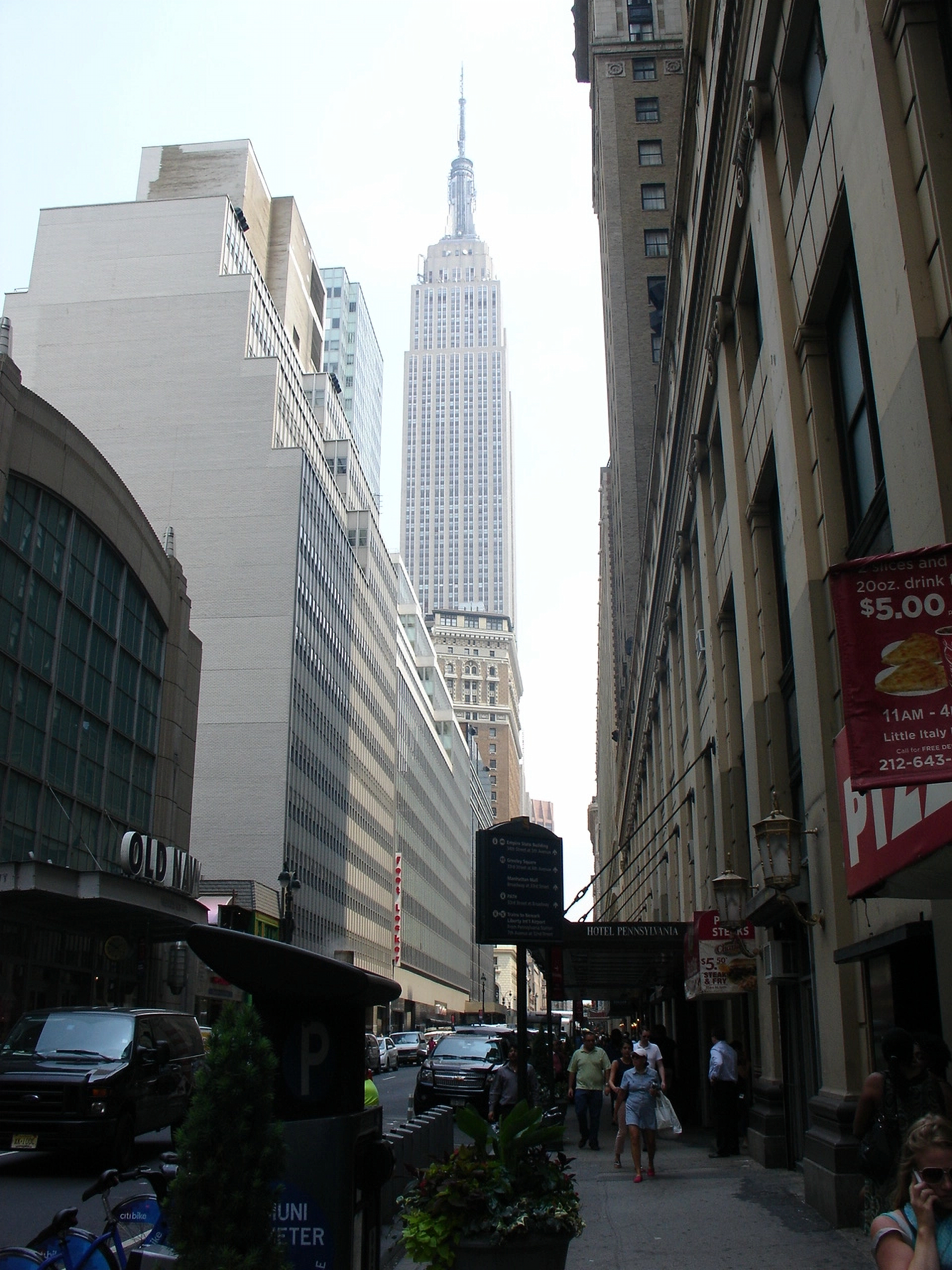
According to Edward Glaeser, New York is the triumph of the city (photo, Javier Trespalacios)
Glaeser argues that cities are humanity's greatest invention and the most effective space for facing the planet's current and future challenges. Throughout history, urban agglomerations have been engines of knowledge and innovation. In ancient Miletus, commercial exchange with Egypt, Persia, and the Aegean gave rise to fundamental philosophical reflections. In Athens, civic education and public debate led by thinkers such as Socrates, Plato, and Aristotle strengthened critical thinking. In Baghdad, the famous House of Wisdom (Bayt al-Hikma) was a center for translation and preservation of knowledge, where scholars from diverse cultures collaborated without barriers. Centuries later, Florence experienced the Renaissance thanks to the synergy between artists like Leonardo da Vinci and Michelangelo, scientists, and merchants. In the contemporary era, Silicon Valley represents the modern evolution of this model: an ecosystem in which technology companies, universities like Stanford, and investors share a space and a culture of collaboration that drives global innovation.
The essential characteristic of successful cities
According to Glaeser, is their ability to attract and retain diverse talent. This diversity—in education, culture, and perspectives—is what allows cities to reinvent themselves and resist crises. Examples like New York, Bangalore, Chicago, and Boston demonstrate that urban dynamism is sustained by the capacity to innovate and adapt through the accumulation of human capital and openness to new ideas (Glaeser, 2011).
In all these cases, the common factor is human interaction: the encounter between people, cultures, and ideas. That is the authentic triumph Glaeser speaks of: cities are living machines of collective learning.
Glaeser identifies fundamental principles for prosperous cities that are directly applicable to sustainable transformation:
Proximity as a driver of innovation. Although technology has reduced virtual distances, nothing replaces the value of direct contact between people, which is indispensable for stimulating creativity and effective collaboration (Glaeser, 2011).
Shared knowledge as a multiplier. Both physical spaces—conferences, workshops, community meetings—and digital platforms allow citizens, institutions, and companies to exchange knowledge and experiences, generating cumulative collective learning.
Public spaces as social fabric. Plazas, parks, libraries, or community centers strengthen interaction and cooperation, promoting trust and urban social capital (Jacobs, 1961).
Cultural diversity as a source of resilience. Cities that integrate different perspectives, languages, and traditions are more innovative and adaptable in the face of changes and crises.
Appropriate incentives transform behaviors. Public recognition, tax benefits, or sustainable point systems encourage active participation and responsible practices.
The concentration of talent energizes economies. Cities that attract and train qualified citizens generate ecosystems of innovation, entrepreneurship, and shared knowledge (Florida, 2002; Saxenian, 1994).
In short, Glaeser emphasizes that the authentic engine of urban transformation is human interaction, where shared knowledge, cultural diversity, and collective talent convert cities into key spaces for innovation and sustainable development.
Application of Edward Glaeser's theories to increase sustainability in cities, companies, and educational centers
Edward Glaeser emphasizes that successful urban development is based on creating a dynamic knowledge environment, where human interaction and physical proximity facilitate innovation and collective learning (Glaeser, 2011). This principle can be directly applied to foster sustainability in different areas: cities, companies, and educational centers. Below is a description of how it is implemented and exemplified in each case.
Cities: Urban knowledge ecosystems for sustainability
Glaeser maintains that the concentration of people and diversity foster environments conducive to the exchange of ideas, innovation, and adaptation (Glaeser, 2011). To promote urban sustainability, implementation involves:
Promoting physical spaces that facilitate interaction and collaboration, such as plazas, parks, and special districts. For example, in Barcelona, the design of superblocks creates pedestrian zones that promote sustainable mobility and neighborhood meetings for collective environmental projects (Rueda, 2019).
Encouraging compact urban planning, which limits sprawl and reduces the carbon footprint. The case of Portland, USA, with its Urban Growth Boundary, concentrates services and encourages public transportation or bicycle options, promoting mobility sustainability (Newman & Kenworthy, 1999).
Promoting citizen participation and collaborative governance. In Freiburg, Germany, the direct involvement of citizens in renewable energy policies has generated successful solar neighborhoods that combine technology and social cohesion (Beatley, 2012).
These practices form an urban knowledge environment where environmental knowledge circulates and is applied collectively, elevating resilience and sustainable action.
Companies: Internal and territorial collaborative learning networks
The application of Glaeser's knowledge environment in companies involves fostering cultures and structures that encourage interdisciplinary collaboration and sustainable innovation (Glaeser, 2011).
Creating multidisciplinary teams that share learning about sustainable practices is essential. Interface, a leading company in modular carpets, integrates design, production, and sustainability departments into internal networks of continuous improvement to minimize waste and emissions (Anderson, 2009).
Participating in territorial business networks that promote the circular economy and sustainability. The Ellen MacArthur Foundation leads consortia that connect companies, universities, and governments to drive collaborative projects of shared value (Porter & Kramer, 2011).
Encouraging physical and digital spaces where knowledge flows freely. In Zurich, the GreenLab brings together startups and technology centers in an environmentally innovative hub, favoring synergies and technology transfer (Swiss Innovation Park, 2018).
In these contexts, the constant exchange of knowledge is key to aligning profitability with environmental and social responsibility.
Educational Centers: Laboratories of Sustainability and Civic Learning
Glaeser emphasizes that human capital is strengthened in educational environments that promote interaction and collective learning (Glaeser, 2011). In sustainable schools, implementation is directed toward:
Integrating interdisciplinary projects connected with local reality, such as the Sustainable Schools program in Finland, where students actively participate in energy resource management and school gardens (Tilbury, 2011).
Creating networks between schools, universities, and urban agents to share knowledge and environmental strategies. In Buenos Aires, the Escuelas Verdes program involves students in sustainable mobility and recycling campaigns connected with municipal policies (Ministry of Education of Buenos Aires, 2018).
Encouraging active participation of the educational community to reproduce the collaborative and open environment characteristic of the cities that Glaeser identifies as the engine of innovation.
These actions create educational knowledge environments in which sustainable awareness is cultivated and civic commitment is strengthened.
Conclusion
Sustainability, from Edward Glaeser's perspective, is a process that is enhanced through active knowledge environments, built on human interaction, proximity, and diversity. The application of his theories in cities, companies, and educational centers not only increases the capacity for innovation but also strengthens sustainable actions by converting the exchange of knowledge into a daily and structured practice. Thus, these three areas are transformed into connected spaces that enhance integral and adaptive sustainable development.
"The authentic triumph of the city is to be a living space of collective learning and constant collaboration." E. Glaeser
Note
[1] Edward Glaeser is an American economist and professor at Harvard University, specialized in urban economics. His work highlights how cities, through density and human interaction, foster innovation and economic growth. Additionally, Glaeser argues that urban sustainable development is fundamental, emphasizing the importance of policies that promote compact and accessible cities to enhance both environmental well-being and economic progress.
Appendix
The Triumph and Failure of Cities According to Edward Glaeser: Diversity, Innovation, and Urban Resilience
Edward Glaeser warns that urban models based on economic monoculture, such as Silicon Valley with its strong dependence on the information technology industry, face serious risks by limiting the diversified interaction that is vital for innovation. He also criticizes that business parks that isolate companies prevent the exchange of ideas crucial for growth. Detroit exemplifies these risks: it was a vibrant industrial and cultural center that collapsed due to depending almost exclusively on the automotive industry, in addition to suffering from social segregation and urban barriers that hindered its reinvention. Cleveland suffered a similar decline due to the loss of its manufacturing base, external competition, and urban segregation, which slowed its recovery and innovation. In summary, Glaeser argues that cities triumph when they manage to attract and retain diverse talent, foster human interaction, and create dynamic ecosystems of learning and innovation. Success lies in the ability to combine cultural, educational, and economic diversity, favoring reinvention and resilience. Conversely, they fail when they become monocultural and segregated, limiting their capacity for adaptation and sustained growth. These cases underscore the importance of maintaining diverse and open urban environments to sustain innovation and sustainable development (Glaeser, 2011; Moreno Garcerán, 2012; IMF, 2019).
References
Anderson, R. (2009). Confessions of a radical industrialist: Profits, people, purpose—Doing business by respecting the earth. St. Martin's Press. https://us.macmillan.com/books/9780312549749/confessionsofaradicalindustrialist
Beatley, T. (2012). Green cities of Europe: Global lessons on green urbanism. Island Press. https://islandpress.org/books/green-cities-europe
Florida, R. (2002). The rise of the creative class: And how it's transforming work, leisure, community and everyday life. Basic Books. https://www.basicbooks.com/titles/richard-florida/the-rise-of-the-creative-class/9780465024773/
Glaeser, E. L. (2011). Triumph of the city: How our greatest invention makes us richer, smarter, greener, healthier, and happier. Penguin Press. https://www.penguinrandomhouse.com/books/307280/triumph-of-the-city-by-edward-glaeser/
International Monetary Fund. (2019). Gente del mundo de la economía: El urbanita. Finanzas & Desarrollo, December. https://www.imf.org/external/pubs/ft/fandd/esp/2019/12/people.htm
Jacobs, J. (1961). The death and life of great American cities. Random House. https://www.penguinrandomhouse.com/books/294133/the-death-and-life-of-great-american-cities-by-jane-jacobs/
Ministry of Education of Buenos Aires. (2018). Programa Escuelas Verdes. Government of the City of Buenos Aires. https://www.buenosaires.gob.ar/educacion/escuelasverdes
Moreno Garcerán, A. (2012). El triunfo de las ciudades. Nueva Revista, 138. https://www.nuevarevista.net/articulos/el-triunfo-de-las-ciudades/
Newman, P., & Kenworthy, J. (1999). Sustainability and cities: Overcoming automobile dependence. Island Press. https://islandpress.org/books/sustainability-and-cities
Porter, M. E., & Kramer, M. R. (2011). Creating shared value. Harvard Business Review. https://hbr.org/2011/01/the-big-idea-creating-shared-value
Rueda, S. (2019). Supermanzanas: Transformar la ciudad para hacerla más habitable. Barcelona Urban Ecology Agency. https://www.ecologiaurbana.barcelona/supermanzanas
Saxenian, A. L. (1994). Regional advantage: Culture and competition in Silicon Valley and Route 128. Harvard University Press. https://www.hup.harvard.edu/catalog.php?isbn=9780674753402
Swiss Innovation Park. (2018). GreenLab Zürich initiative report. ETH Zürich Press. https://ethz.ch/content/dam/ethz/associates/services/organisation/Departemente-und-Servicestellen/VPS/industrie-beziehungen/GreenLab%20Z%C3%BCrich%20Initiative%20Report.pdf
Tilbury, D. (2011). Education for sustainable development: An expert review of processes and learning. UNESCO. https://unesdoc.unesco.org/ark:/48223/pf0000191442



Comments