Between intention and action: Why acting sustainably is difficult

Updated: May 10
Since the nineteen-nineties, surveys show that concern for the environment has tended to grow in industrialised countries (Franzen & Vogl, 2013; European Commission, 2019). However, that concern rarely translates into real changes in sustainable behaviour. Three mechanisms of different natures explain this gap. The first is temporal discounting (Ainslie, 1975) [1]: we tend to give more weight to what is comfortable today than to benefits we will see in the future. The second is rationalisation (Festinger, 1957): when our actions differ from what we should do, we tend to seek justifications — "my part is insignificant", "others pollute far more". The third is social pressure (Cialdini, Reno & Kallgren, 1990): when an unsustainable behaviour is what the majority does, it is perceived as normal and acceptable. For example, recycling paper — gathering it and putting it out on collection day — requires immediate effort for a benefit that seems distant, invites the thought that skipping one day changes nothing, and, if neighbours do not do it either, confirms that it does not really matter. The result is that these barriers can block behaviour change even in people with high environmental awareness.
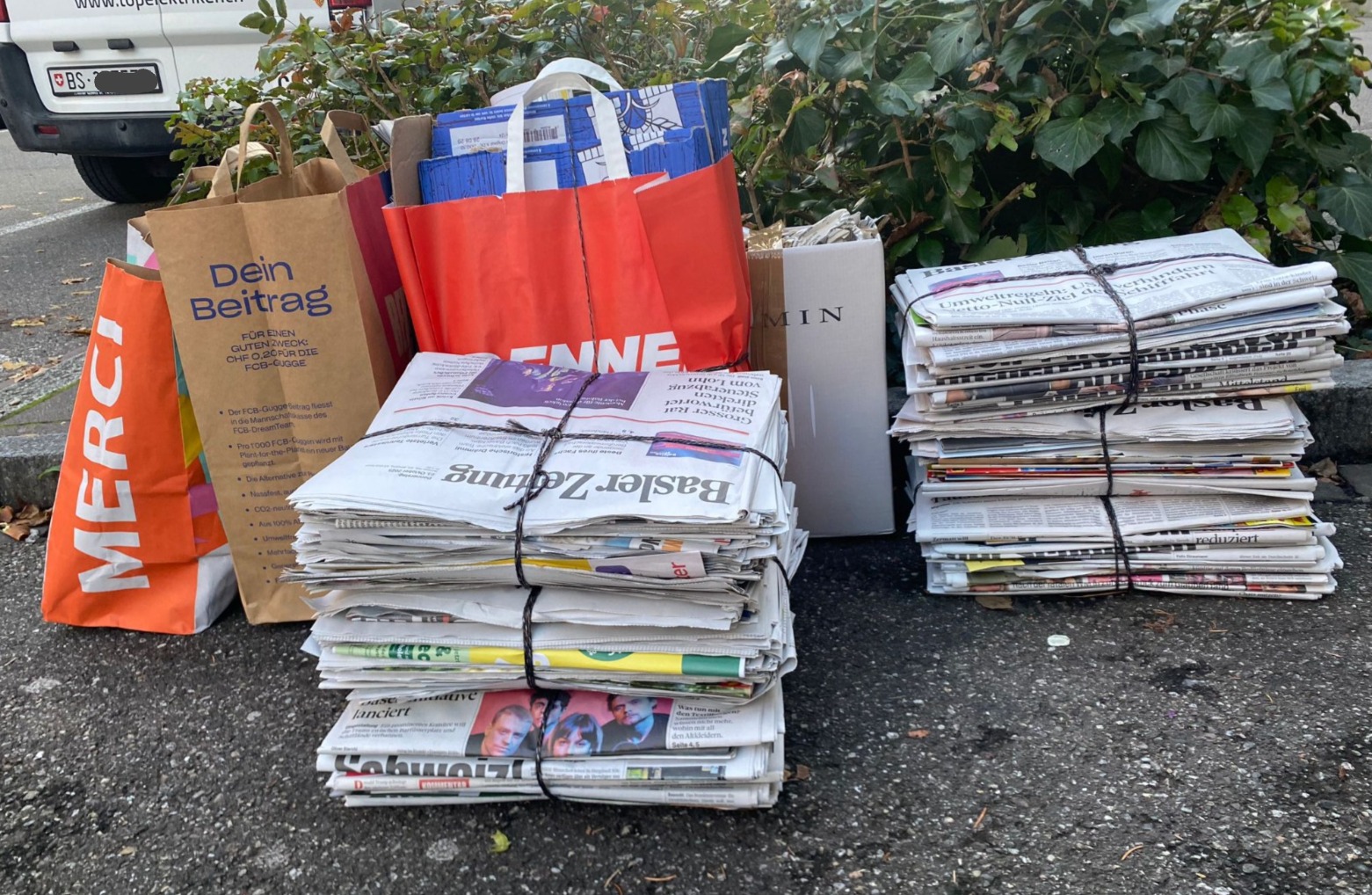
Paper collection day in Basel, Switzerland
The Barriers That Hold Us Back: The Dragons of Inaction
Robert Gifford [2] (2011) identified nearly thirty psychological [3], cognitive [4], and social [5] barriers that hinder pro-environmental behaviour even when sufficient information and motivation exist, grouping them under the term "dragons of inaction" into seven categories [6]:
Limited knowledge: environmental information is usually abstract and difficult to process, leading people to underestimate the urgency of the problem or not know how to act.
Ideologies: the belief that technology ("techno-salvation") will solve the problem in the future reduces the perceived need to change habits today.
Social comparison: when those around us do not act sustainably, the perceived norm is that there is no need to do so either.
Sunk costs: prior investment of time or money in unsustainable habits makes them difficult to abandon, even when their impact is recognised.
Distrust: doubts about the intentions of experts, governments, or environmental policies, leading to the rejection of their recommendations.
Perceived risk: changing a habit involves uncertainty — functional, economic, or social — that inhibits action.
Limited behaviour: doing something small generates a sense of fulfilment ("moral licence"), or savings in one habit are offset by greater consumption in another unsustainable action.
None of these dragons acts alone — they combine, and that is why more information does not generate behaviour change (Lorenzoni et al., 2007; Thøgersen, 2004).
Overcoming the Barriers: TPB and VBN, Two Complementary Tools
Identifying the barriers is necessary, but not sufficient. Ajzen's [7] (1991) Theory of Planned Behaviour (TPB) and Stern's [8] (2000) Value-Belief-Norm Theory (VBN) offer two distinct answers to the same question: what does it take for intention to become action? The TPB explains when a person acts; the VBN explains why it matters to them.
The TPB holds that sustainable behaviour requires three simultaneous conditions: a positive attitude towards it ("recycling makes sense"), the perception that it is a favourable social norm ("people in my neighbourhood recycle"), and the belief that it is feasible ("I can do it without complicating my life"). If any of the three fails, intention does not become action. A person who supports recycling but does not know where the collection points are has the third factor blocked, which suggests that the most effective interventions are not those that inform, but those that remove concrete obstacles (Bamberg & Möser, 2007).
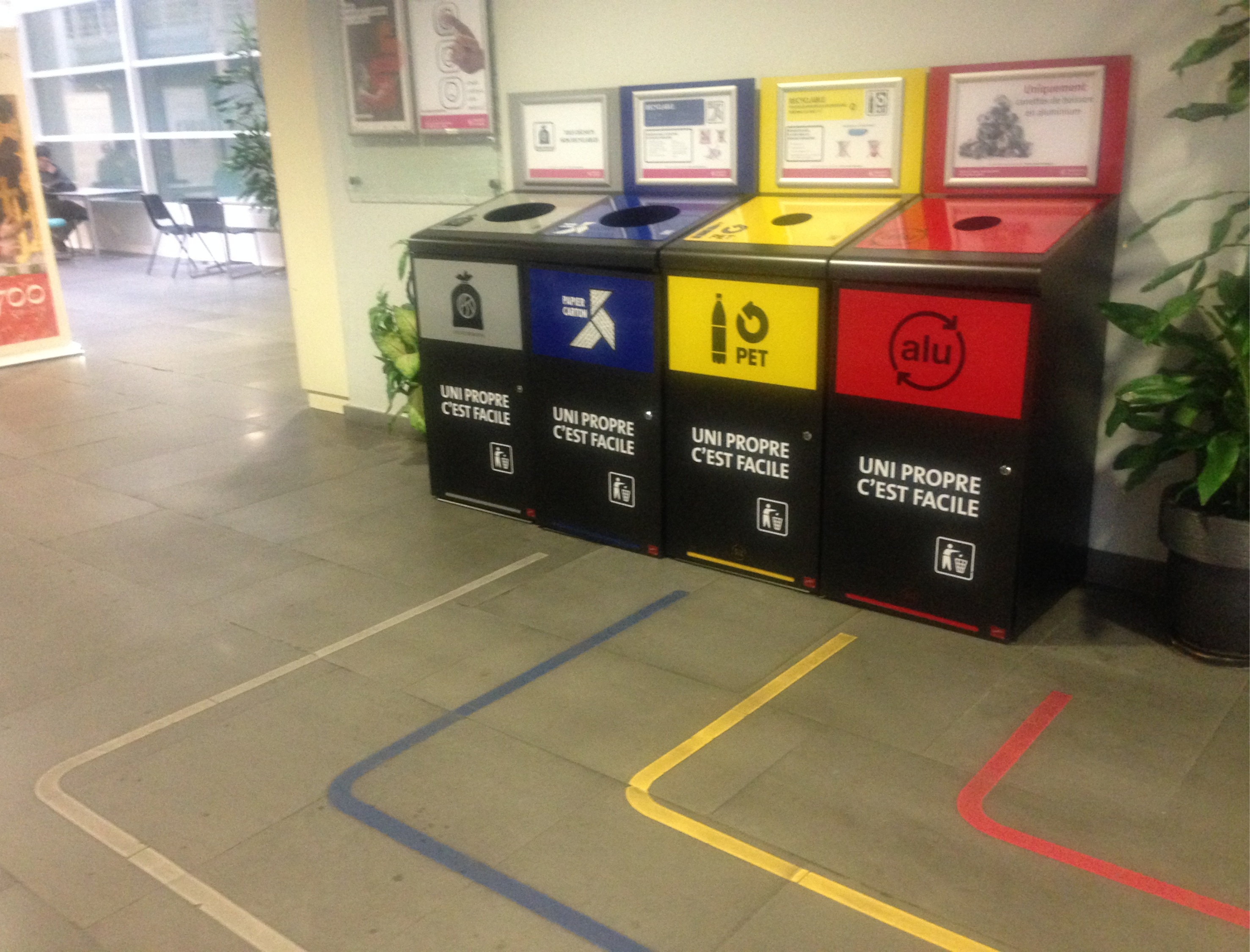
The visual language of recycling at the University of Geneva: "Uni propre c'est facile" — design facilitates sustainable action within the TPB framework. (Photo: Javier Trespalacios)
The VBN operates at a deeper layer. Stern (2000) proposes that those who hold biospheric values [9] — genuine concern for nature in itself — or altruistic values [10] — commitment to the well-being of others — more readily develop personal norms of environmental responsibility. These norms are neither external nor imposed: they arise from identity. That is why changes motivated by values tend to be more lasting than those produced by incentives or social pressure. Its limitation is that values do not change in the short term; interventions that appeal to them require time and depth (López-Mosquera & Sánchez, 2012).
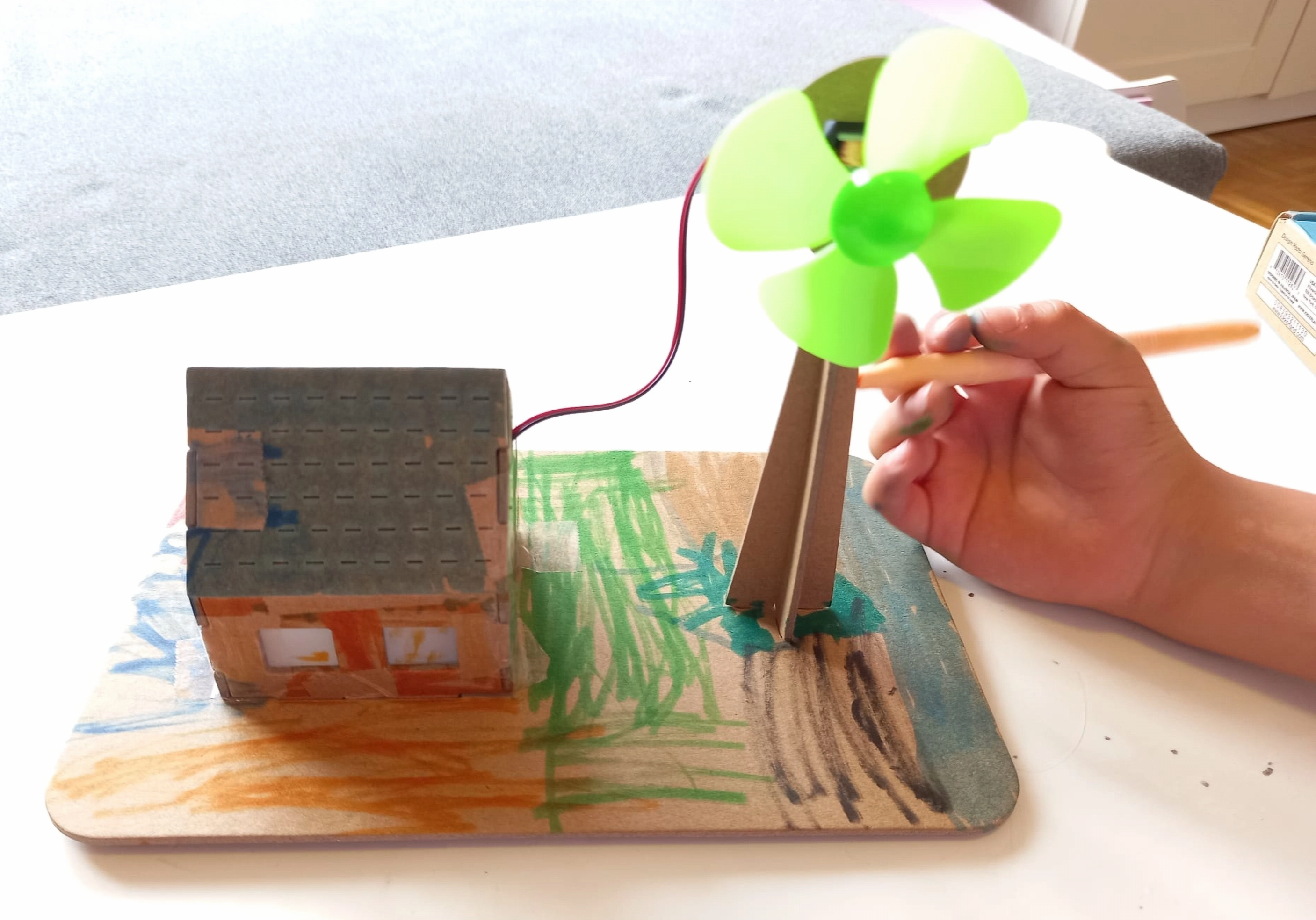
Activating the VBN: Eva exploring wind energy to connect knowledge with biospheric values and sustainable commitment. (Photo: Javier Trespalacios)
Together, these frameworks reveal a useful complementarity: the VBN works best in educational and long-term processes. At the same time, the TPB guides the design of policies and environments in which sustainable decisions are easiest to make.
From Diagnosis to the Design of Practical Solutions
Applying these frameworks makes it possible to identify which specific barrier is blocking a sustainable initiative and to act on it directly.
At the individual [11] level, the most common barrier to recycling is not a lack of motivation but the absence of accessible collection points or clear instructions. When action is difficult, intention does not translate into behaviour. The solution is infrastructural before it is communicative (Ajzen, 1991; Kim et al., 2013).
In a city [12] where the majority supports public transport but few use it, the problem is not one of attitude but of conditions. Improving the frequency and reliability of the service facilitates use; communicating usage data when they are favourable reinforces the social norm. Both interventions reinforce each other; separately, their impact is insufficient.
In a school [13] with low participation in environmental activities, the VBN indicates that ecological values are not part of the group's identity. Nature outings, projects with visible results, and collective celebration of achievements build that bond better than information does (Stern, 2000; López-Mosquera & Sánchez, 2012).
In a company [14] seeking to reduce its energy consumption, the problem is usually twofold: staff do not know how to act, and do not perceive that their colleagues are doing so. Training staff and making good practices visible across teams addresses both (Gifford, 2011).
In all cases, the pattern is the same: identify which obstacle is active and act on it directly.
Conclusions
The cognitive, psychological, and social barriers documented [10] in this article share a common denominator: the gap between intention and action does not close with more information. It closes when acting sustainably is easy, is socially supported, and connects with something the person considers part of their identity.
The TPB and the VBN are not rival frameworks but complementary ones: one guides the design of environments where the sustainable decision is the most accessible; the other works at the deepest layer, that of values. The dragons of inaction remind us that no intervention works if it does not first identify which specific obstacle is blocking change.
Sustainability is not only a problem of awareness; it is also a problem of design. It does not change with campaigns that appeal to individual responsibility. It changes when conditions make acting differently the natural thing to do.
In the end, success depends on creating environments and narratives that make sustainability an accessible habit for everyone…
*****
Notes
[1] George Ainslie (American psychologist) is recognised for his studies on impulsivity and self-control, particularly for formalising the concept of temporal or hyperbolic discounting in decision-making.
[2] Robert Gifford (environmental psychologist, University of Victoria, Canada) is recognised for his work on understanding the psychological factors that influence environmental behaviour. He conceptualised the dragons of inaction in: Gifford, R. (2011). The Dragons of Inaction.
[3] Psychological barriers: beliefs or emotions that make it difficult to adopt sustainable behaviours, such as the feeling that one's own actions have no impact.
[4] Cognitive barriers: difficulty processing, understanding, or applying relevant information about environmental problems, making it hard to make informed decisions.
[5] Social barriers: norms or pressures from one's surroundings that discourage sustainable behaviours, such as the perception that no one else is acting.
[6] Examples of each of the 7 categories of the dragons of inaction: 1. Limited knowledge: A person knows that plastic is harmful to the environment, but does not understand how it affects marine life, or does not know how to reduce their use of it in daily life. 2. Ideologies: Someone firmly believes that technological advances, such as electric cars or carbon capture, will solve all environmental problems, and therefore feels no need to change their current lifestyle. 3. Social comparison: If in a community no one recycles and everyone uses disposable plastic bottles, a person might think: "If my neighbours do not care about recycling, why should I?" 4. Sunk costs: A family has invested a great deal of money in a fossil-fuel heating system and, although they recognise its environmental impact, avoids replacing it because they feel that abandoning it would mean losing what they have already spent. 5. Distrust: Someone hears a politician speak about the importance of renewable energy but distrusts their intentions and thinks they are only saying it to win votes, and therefore ignores their recommendations. 6. Perceived risk: A person who wants to stop using the car to commute feels unsure about how it will affect their travel time and social life, and so decides not to change. 7. Limited behaviour: Someone starts bringing their own cloth bag to the supermarket and feels good about it, but then offsets that small change by buying more plastic-packaged products in other shops.
[7] Icek Ajzen (Polish-born social psychologist, University of Massachusetts) developed the Theory of Planned Behaviour. His work focuses on how attitudes, social norms, and perceived control influence the intention to act.
[8] Paul C. Stern (American environmental psychologist) created the Value-Belief-Norm Theory. His research explores how personal values, beliefs about environmental harm, and norms influence the adoption of sustainable behaviours.
[9] Biospheric values: concern and responsibility for the well-being of the environment and nature in themselves, independently of their utility for human beings.
[10] Altruistic values: concern and commitment to the well-being of other people or society in general.
[11] Practical example – citizens: reducing car use on short journeys
A person wants to cycle to work but never does. The TPB identifies the problem: they believe it is dangerous (negative attitude) and do not know anyone in their circle who does it (weak social norm). The VBN adds that they have not connected this change to any personal value.
Step 1 — Attitude: finding out about safe cycling routes in their city reduces the perception of risk. Step 2 — Social norm: discovering that three work colleagues already cycle to the office activates the descriptive norm. Step 3 — Perceived control: trying the route on a Saturday without time pressure eliminates practical uncertainty. Step 4 — VBN: connecting the change to the value of their own health and clean air for their children anchors the decision in identity.
Result: on the first Monday, they try it, they have already resolved the three TPB factors and have a personal value that sustains the habit when the effort increases.
[12] Practical example – cities: increasing waste sorting in public spaces
A city finds that recycling bins in parks have a correct-use rate of less than 30%.
Step 1 — Perceived control (TPB): redesigning the bins with colours, pictograms, and a single opening per fraction eliminates doubt about what goes in each one. Step 2 — Social norm (TPB): installing a visible counter showing the weight of waste correctly sorted that week activates the descriptive norm without the need for a campaign. Step 3 — Attitude (TPB): displaying on the bin the equivalent in trees saved or CO₂ avoided connects the action to a concrete consequence. Step 4 — VBN: integrating the bin design into the neighbourhood's visual identity — through local artistic interventions — turns recycling into an expression of community belonging.
Result: the main barrier was one of perceived control, not motivation. The infrastructural redesign resolves part of the problem; the visible norm and neighbourhood identity sustain the change over the long term.
[13] Practical example – schools: building a culture of responsible consumption
A secondary school finds that its students generate twice as much plastic waste as the municipal average.
Step 1 — Attitude (TPB): in science class, each group analyses the composition of waste generated during break over one week. Seeing their own data changes their perception of the problem. Step 2 — Perceived control (TPB): installing a water fountain with a refill system and removing the plastic bottle vending machine makes the sustainable alternative the only accessible option. Step 3 — Social norm (TPB): when 60% of groups bring a reusable bottle, this figure is shared in class. The descriptive norm shifts without pressure. Step 4 — VBN: a quarterly project in which each class adopts a local ecosystem — a river, a nearby forest — and monitors its condition, connecting daily behaviour to concrete, measurable biospheric values.
Result: the change does not start from a campaign but from making the school's own problem visible, removing the unsustainable option, and anchoring action in a commitment to something real and close.
[14] Practical example – companies: reducing energy consumption in offices
A company finds that electricity consumption outside working hours accounts for 35% of its bill, mainly due to equipment left on unnecessarily.
Step 1 — Perceived control (TPB): installing automatic timer plugs at each workstation eliminates dependence on individual memory or willpower. Step 2 — Information (TPB/VBN): a panel at the entrance displays the building's consumption compared to the previous day. A concrete figure replaces abstraction. Step 3 — Social norm (TPB): publishing monthly, which department has reduced its consumption the most — without a punitive ranking, only recognition — activates social comparison in a positive direction. Step 4 — VBN: linking the accumulated energy savings to a concrete action chosen by employees — reforesting a nearby area, funding solar panels in a local school — connects the everyday gesture to a shared, visible value.
Result: the first step is always infrastructural — eliminating dependence on individual willpower. Recognition and the link to a collective value sustain change when infrastructure cannot resolve everything.
References
Ainslie, G. (1975). Specious reward: A behavioral theory of impulsiveness and impulse control. Psychological Bulletin, 82(4), 463–496. https://doi.org/10.1037/h0076860
Ajzen, I. (1991). The theory of planned behavior. Organizational Behavior and Human Decision Processes, 50(2), 179–211. https://doi.org/10.1016/0749-5978(91)90020-T
Bamberg, S., & Möser, G. (2007). Twenty years after Hines, Hungerford, and Tomera: A new meta-analysis of psycho-social determinants of pro-environmental behaviour. Journal of Environmental Psychology, 27(1), 14–25. https://doi.org/10.1016/j.jenvp.2006.12.002
Cialdini, R. B., Reno, R. R., & Kallgren, C. A. (1990). A focus theory of normative conduct: Recycling the concept of norms to reduce littering in public places. Journal of Personality and Social Psychology, 58(6), 1015–1026. https://doi.org/10.1037/0022-3514.58.6.1015
Comisión Europea. (2019). Special Eurobarometer 490: Climate Change. Dirección General de Acción por el Clima. https://climate.ec.europa.eu/system/files/2019-09/report_2019_en.pdf
Festinger, L. (1957). A theory of cognitive dissonance. Row, Peterson and Company. https://www.researchgate.net/publication/291356571_Cognitive_Dissonance_Theory_Festinger
Franzen, A., & Vogl, D. (2013). Two decades of measuring environmental attitudes: A comparative analysis of 33 countries. Global Environmental Change, 23(5), 1001–1008. https://doi.org/10.1016/j.gloenvcha.2013.03.009
Gifford, R. (2011). The Dragons of Inaction: Psychological Barriers that Limit Climate Change Mitigation and Adaptation. American Psychologist, 66(4), 290–302. https://doi.org/10.1037/a0023566
Kim, Y., Njite, D., & Hancer, M. (2013). Anticipated emotion in consumers' intentions to select eco-friendly restaurants. International Journal of Hospitality Management, 34, 255–262. https://doi.org/10.1016/j.ijhm.2013.04.004
López-Mosquera, N., & Sánchez, M. (2012). Theory of planned behavior and the value-belief-norm theory explaining willingness to pay for a suburban park. Journal of Environmental Management, 113, 251–262. https://doi.org/10.1016/j.jenvman.2012.08.029
Lorenzoni, I., Nicholson-Cole, S., & Whitmarsh, L. (2007). Barriers perceived to engaging with climate change among the UK public. Global Environmental Change, 17(3–4), 445–459. https://doi.org/10.1016/j.gloenvcha.2007.01.004
Stern, P. C. (2000). Toward a coherent theory of environmentally significant behavior. Journal of Social Issues, 56(3), 407–424. https://doi.org/10.1111/0022-4537.00175
Thøgersen, J. (2004). A cognitive dissonance interpretation of consistencies and inconsistencies in environmentally responsible behavior. Journal of Environmental Psychology, 24(1), 93–103. https://www.sciencedirect.com/science/article/abs/pii/S0272494403000392
Bonus track
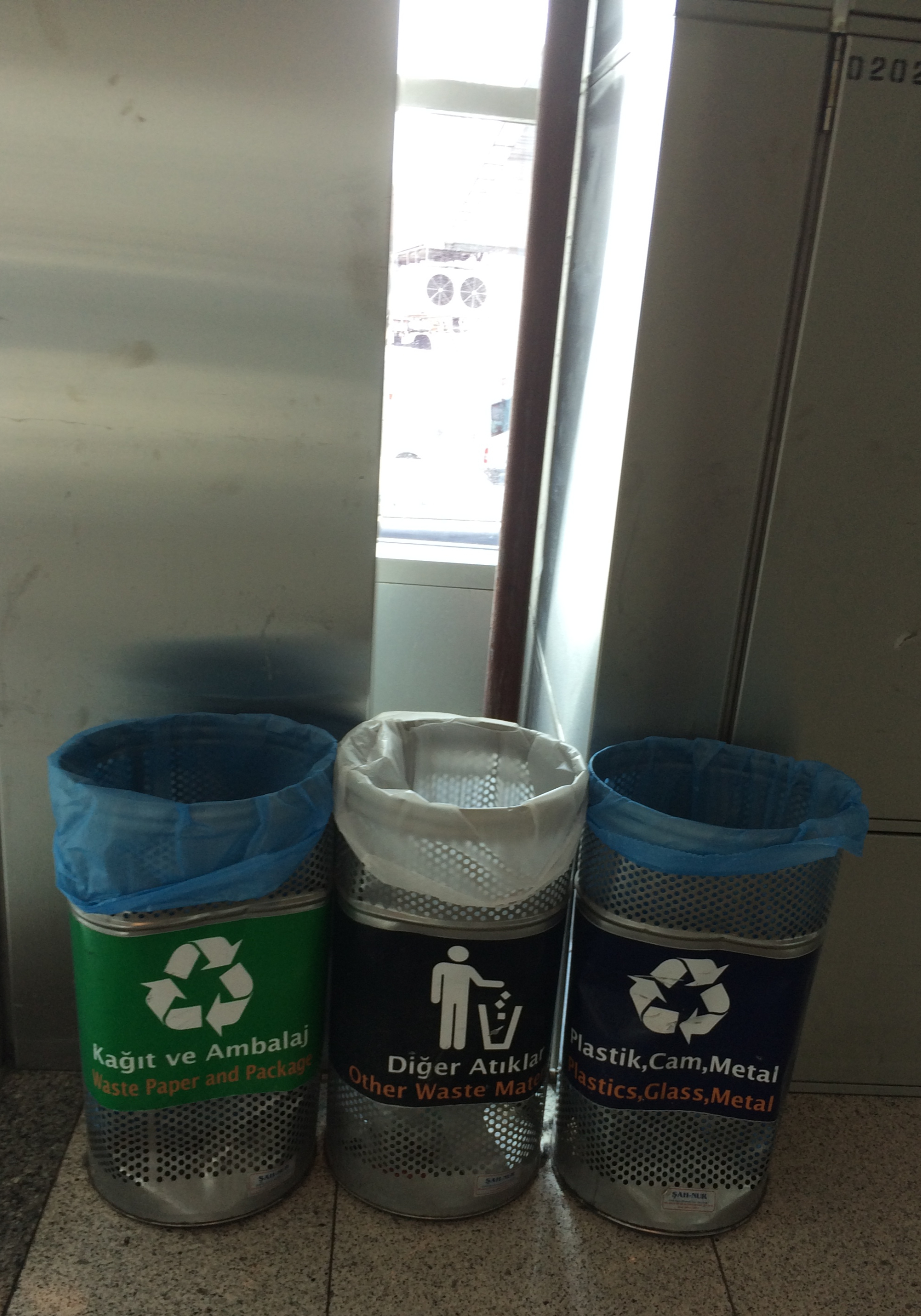
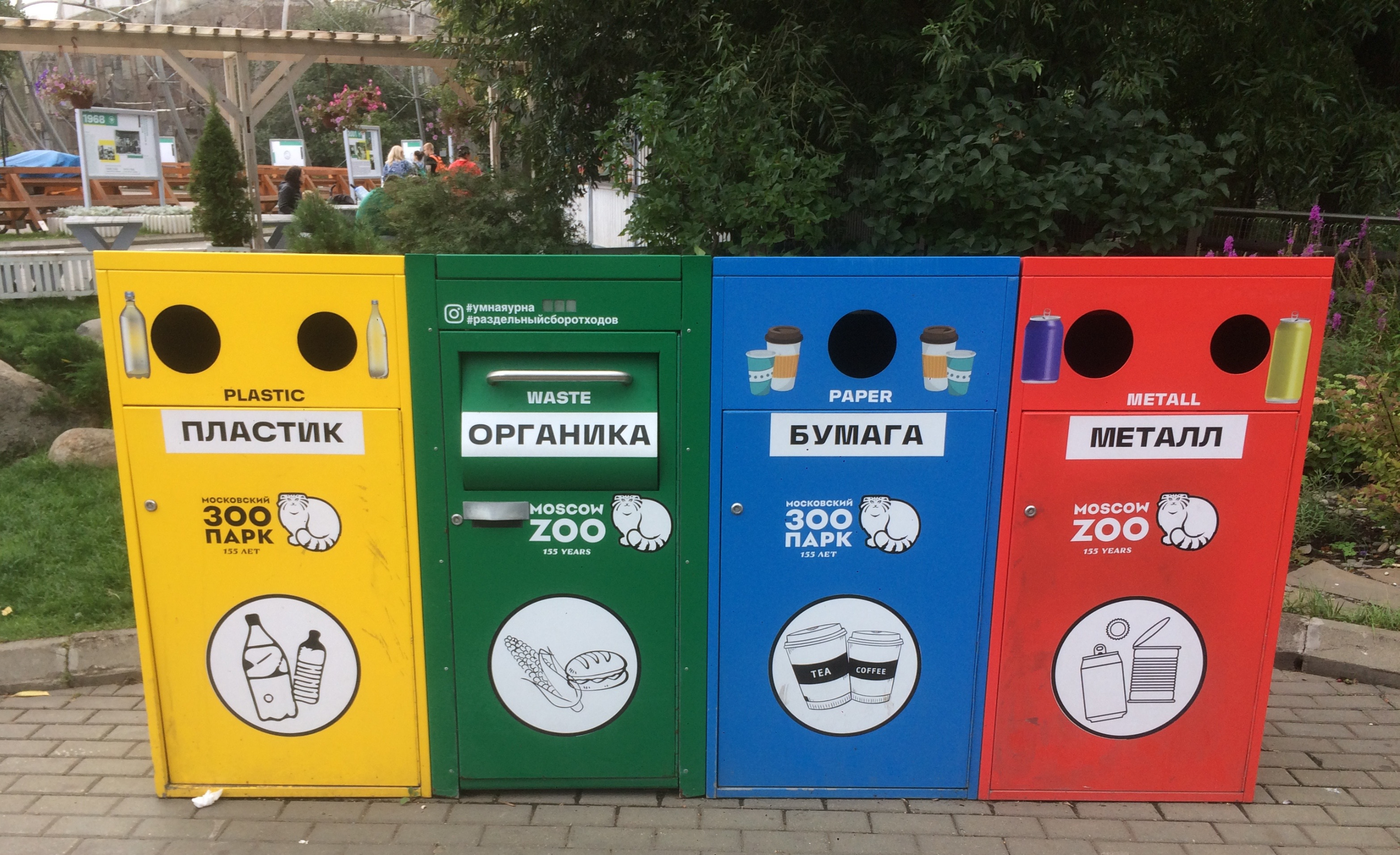
Recycling in Turkey and Russia: visual clarity and accessibility to facilitate sustainable action within the TPB framework. (Photo: Javier Trespalacios)
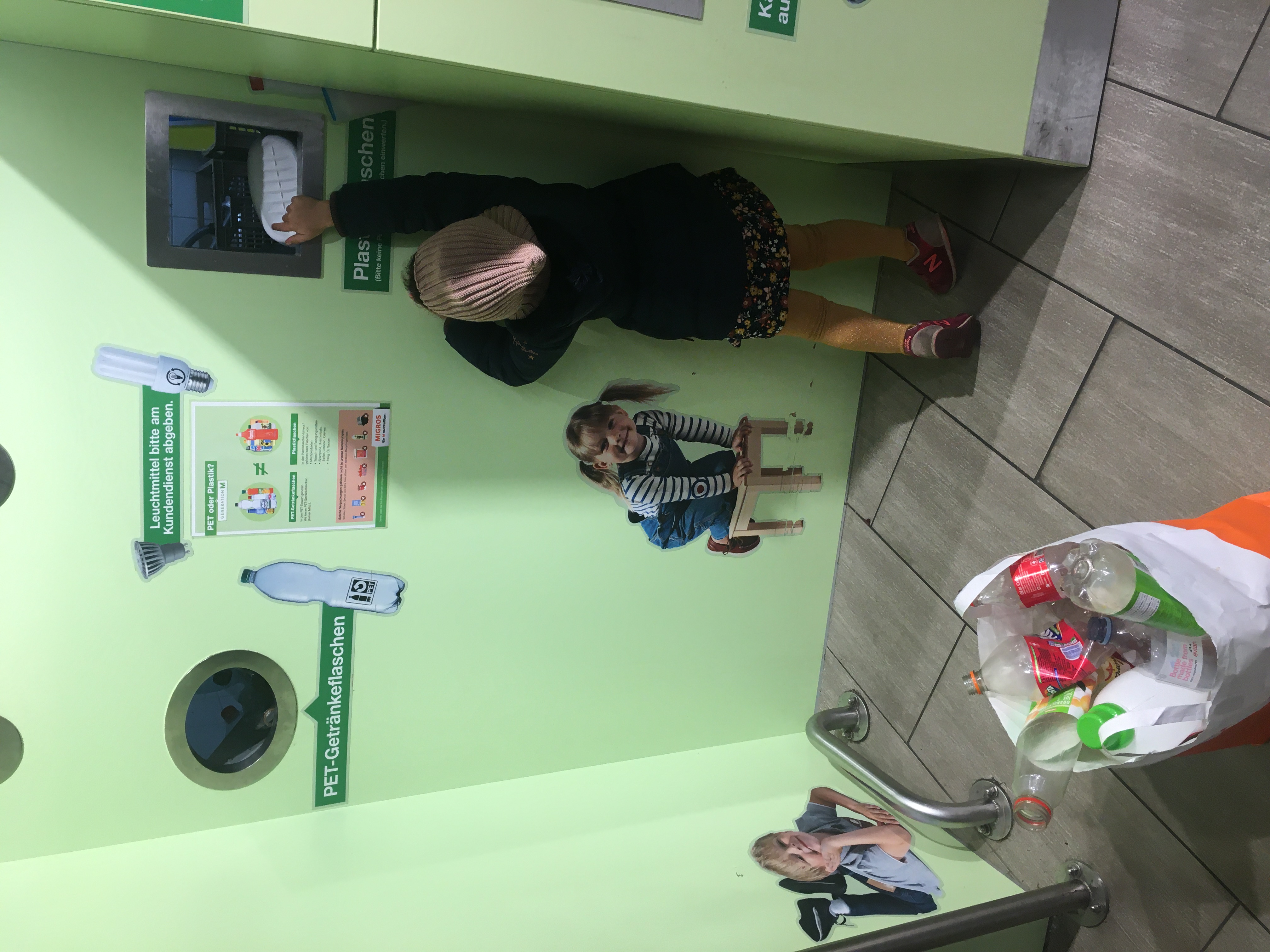
Activating the VBN: Eva recycling. Early learning shapes biospheric values for a sustainable commitment. (Photo: Javier Trespalacios)
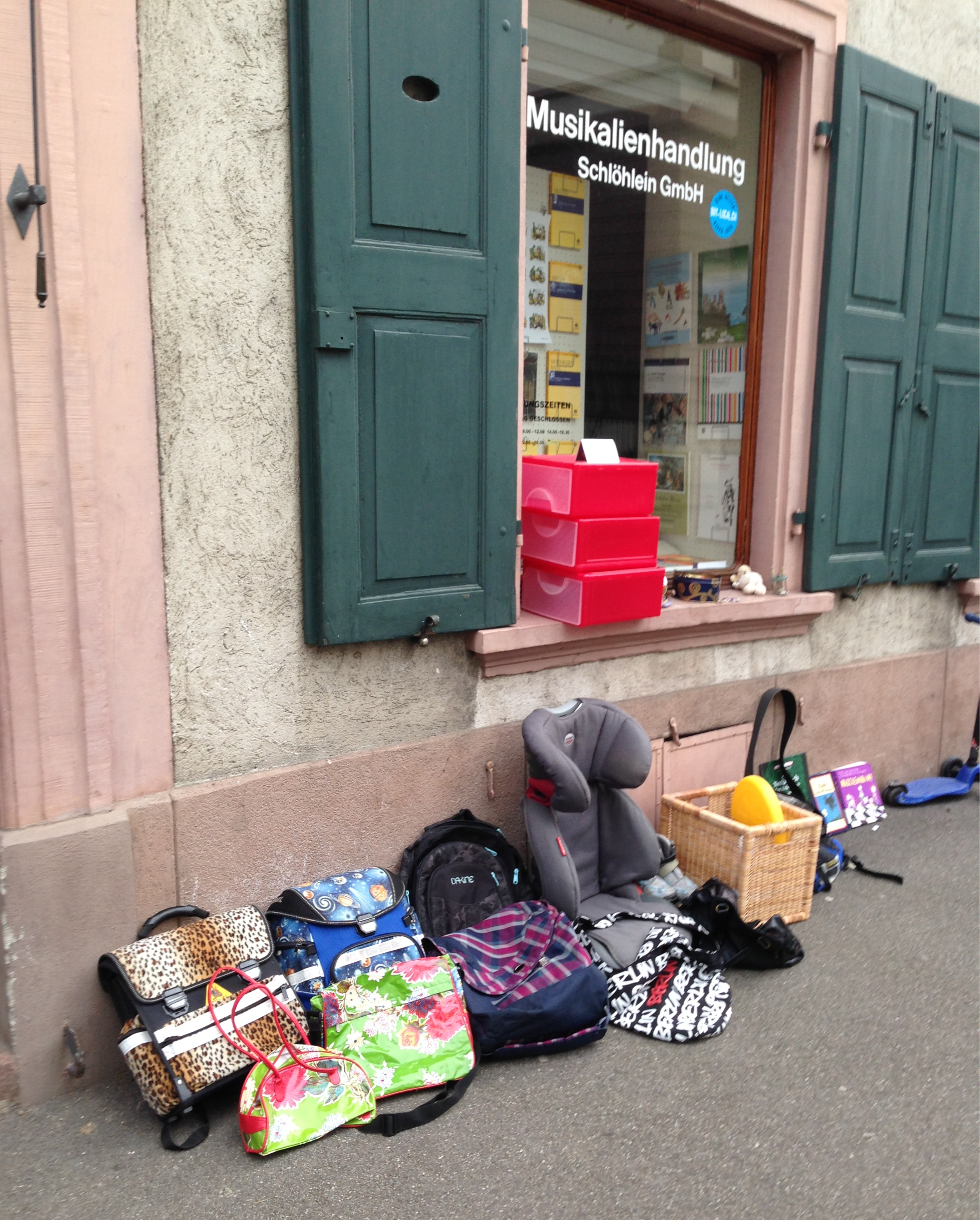
Circular economy in Basel: reuse as a social norm that reinforces sustainable identity and community. (Photo: Javier Trespalacios)
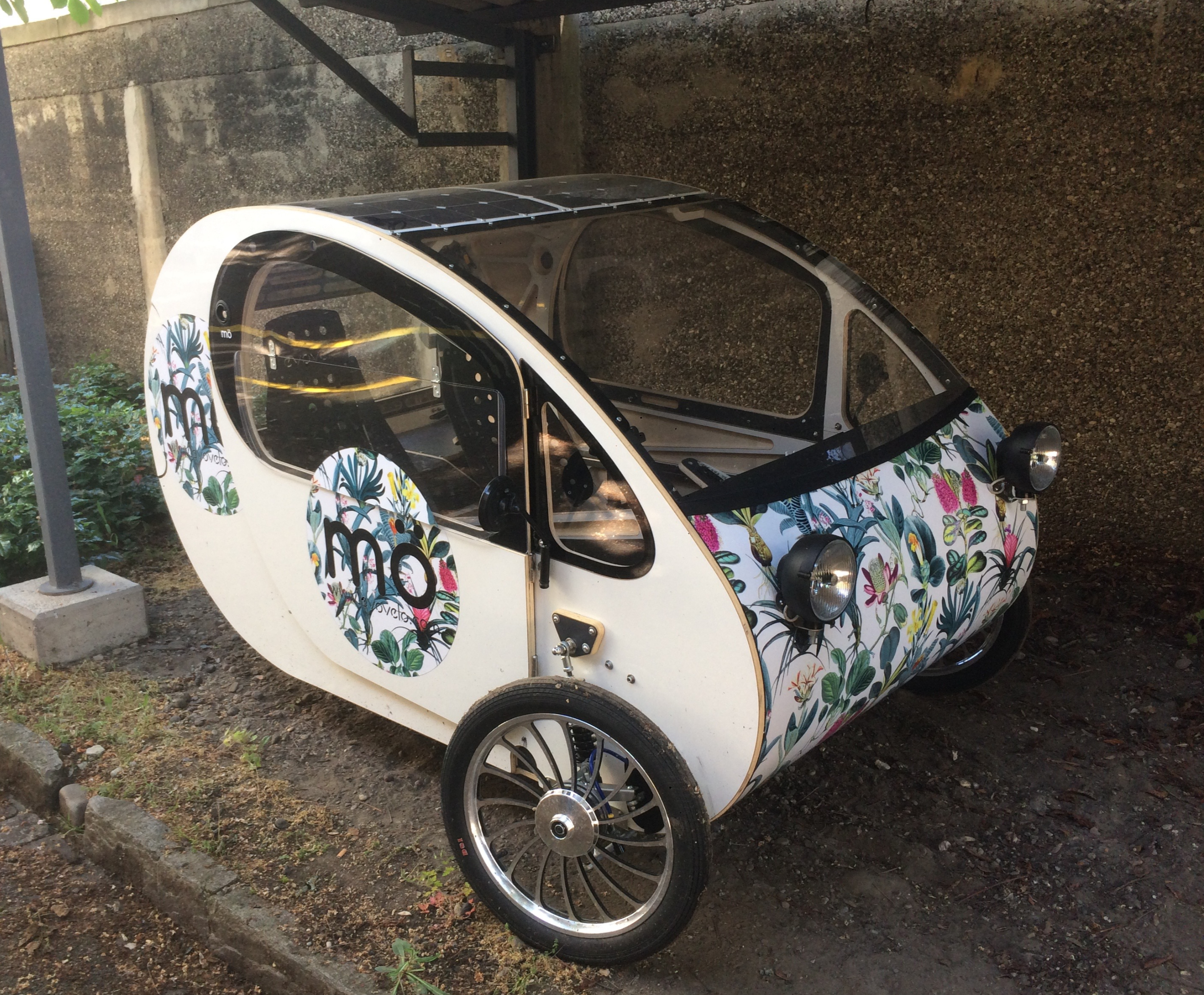
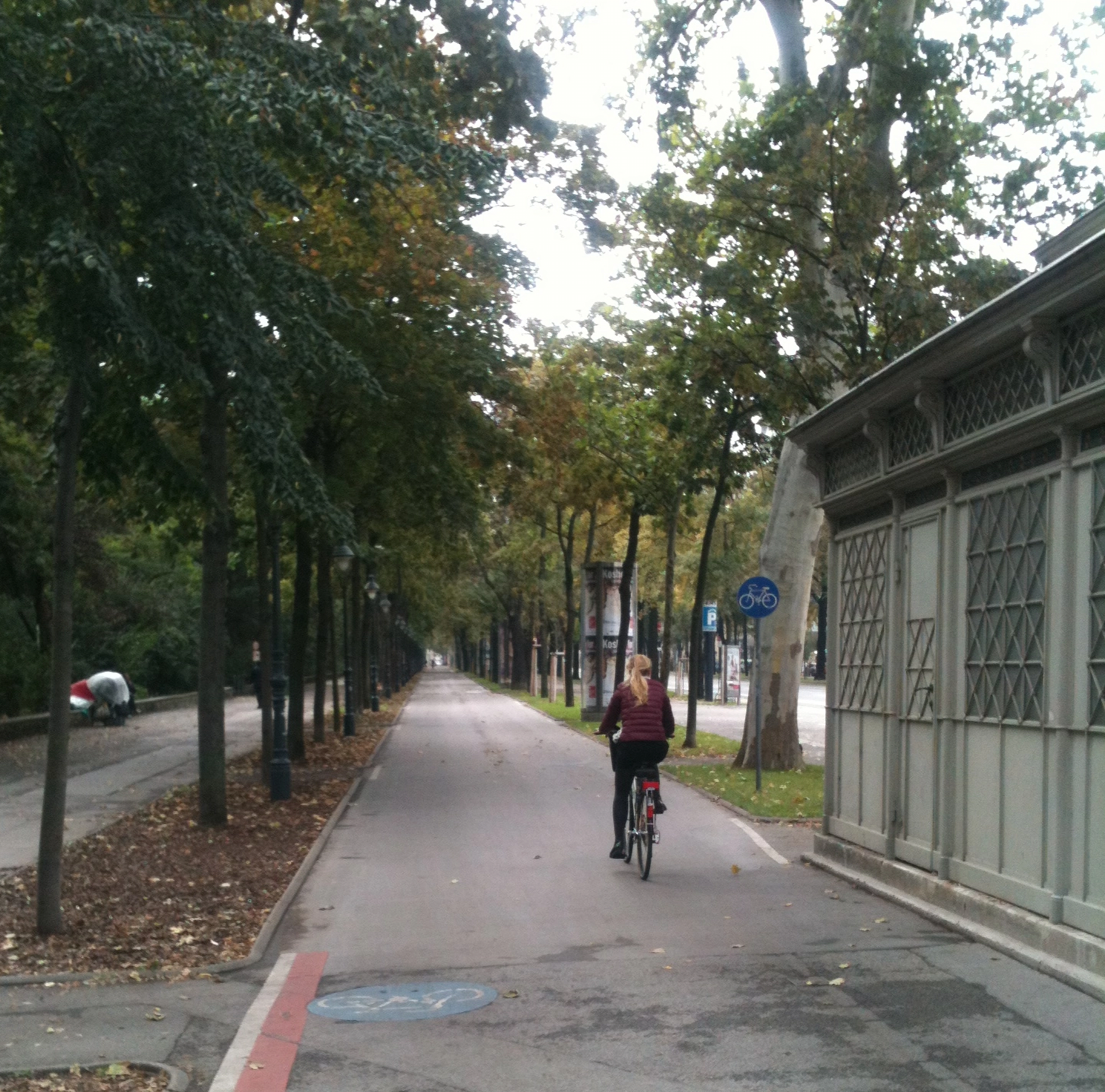
Mobility and TPB: Ricardo Paramo's Mö innovation and cycling lanes in Austria remove external barriers, optimizing perceived control for sustainable transport. (Photo: Javier Trespalacios)
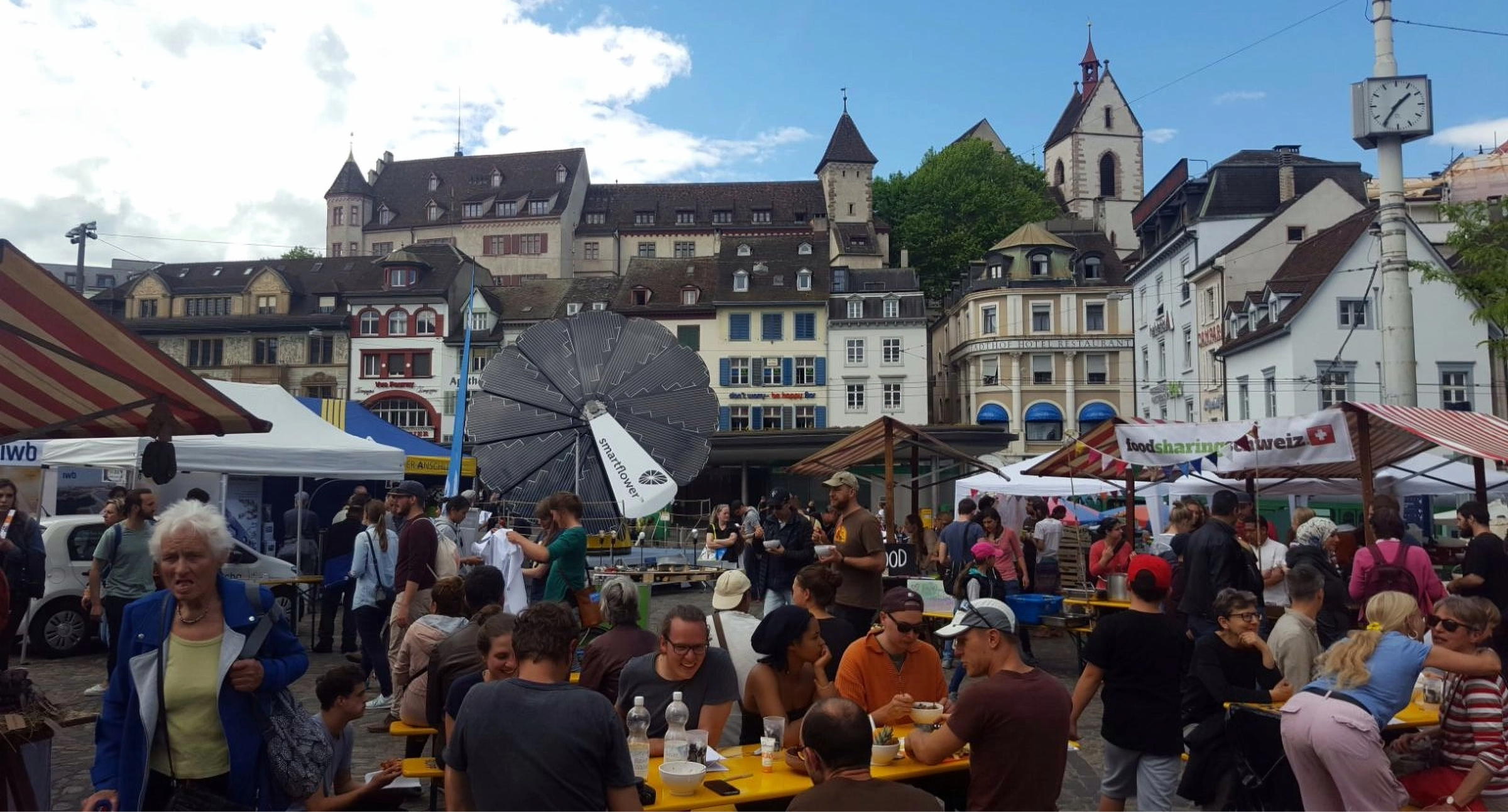
Basel: sustainability festivals that reinforce the social norm (VBN) and facilitate behavioral intention (TPB) through community and innovation. (Photo: Javier Trespalacios)


Comments