Increasing Sustainability Through a Knowledge Environment
Updated: May 7
Edward Glaeser [1] argues in his book Triumph of the City (2011) that the success of cities lies in the people who inhabit them and in the interactions among them, where urban density facilitates encounters, conversations, and collaborations that enrich collective learning and accelerate the circulation of ideas.
For Glaeser, the city is “the greatest invention of humanity” because it is the most efficient form of human interaction for generating and spreading knowledge, fostering innovation and productivity. History provides examples of how this proximity has promoted learning and progress. In Miletus, trade across the Aegean Sea created an environment of exchange among Greeks, Egyptians, and peoples of Asia Minor, from which the first philosophical ideas emerged. In Athens, urban life was organized around dialogue, argumentation, and critique; Socrates, Plato, and Aristotle turned public debate into a space for collective reasoning. In Baghdad, the city became a centre of knowledge that brought together scholars who translated and reworked Greek, Indian, and Persian texts, contributing to the development of algebra and to the transmission of ancient science toward Europe. In Florence, the proximity between artists, scientists, and merchants drove transformations in art, science, and humanist thought associated with the Renaissance. More recently, Silicon Valley reproduces that same pattern: technology companies, universities, and investment funds share a territory, fostering a flow of ideas that drives innovation in computers, the internet, social networks, and artificial intelligence [2].
In the contemporary era, this same pattern is observed in cities such as New York and Boston, consolidated as centres of finance and education; Chicago, reinvented as a hub of services and business (financial, logistical, and commercial); and Bangalore, which has established itself as a pole of information technology, software, and digital services. In all these cases, the concentration of educated and skilled people transforms the city into an environment of exchange, where cooperation among universities, businesses, and research centres, the use of public spaces, and social diversity make it possible for talent to accumulate, be shared, and be employed in new economic activities.
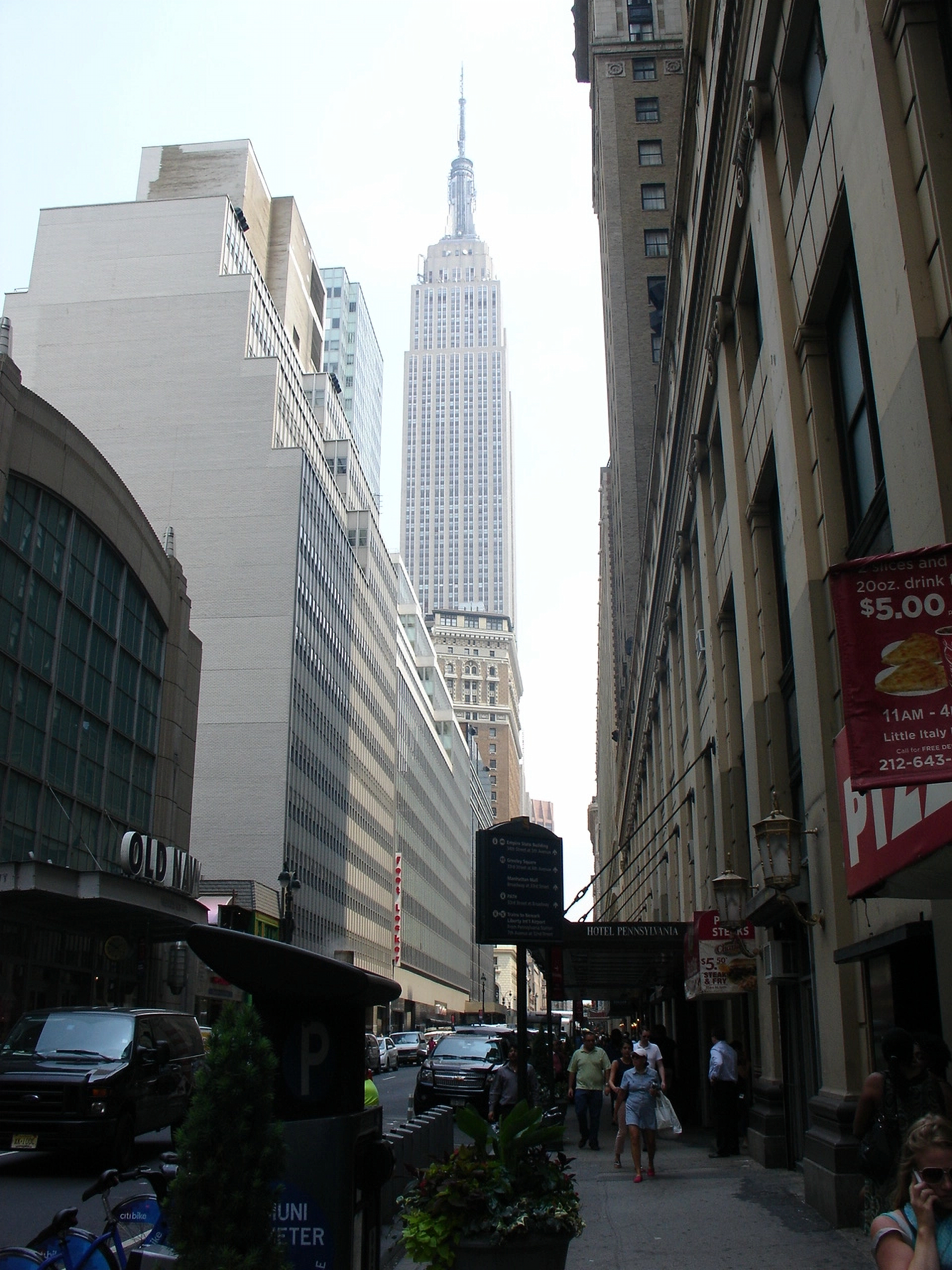
According to Edward Glaeser, New York is a clear example of the triumph of the city (photo, Javier Trespalacios)
This process generates what can be described as a "knowledge environment": a setting in which learning, knowledge, the dissemination of information, and innovation emerge from continuous contact between individuals.
A Knowledge Environment to Drive Sustainability
It is in this context that the concept of a "knowledge environment" takes shape — one in which people, within a given space, regardless of their academic background, social condition, culture, or professional experience, acquire basic knowledge on a specific topic such as sustainability, and have access to spaces that facilitate organised or spontaneous exchanges. This type of environment would foster a better understanding of shared objectives and processes of change, would make it possible to identify each person's actions, to incorporate others' practices into one's own routine, and to transform shared knowledge into a driving force that converts understanding and commitment into concrete action.
This could be applied in cities where citizens would receive basic training in sustainability, enabling them to identify the actions they carry out, share them, and adopt those undertaken by others, as well as to participate in and debate local sustainability objectives. One example is the island of Samsø in Denmark, where the active participation of the inhabitants of an agricultural region allowed their community to become one of the first regions in the world with a 100% renewable energy system — an achievement attained by citizens who had received basic energy information and had access to a meeting place for exchanges and learning called the Samsø Energy Academy (Trespalacios, 2019).

Samsø Energy Academy, visit by a delegation from Poland (Samsø Energy Academy, n.d.)
Within this framework, a similar approach could be integrated in cities such as Basel, Switzerland, where an official reception and integration programme for new residents (Neuzugezogene / newcomers) exists under the title "Neu im Kanton Basel‑Stadt?" (Kanton Basel‑Stadt, n.d.). The programme offers an introductory session of approximately 1.5 hours, organised by the canton, covering rules on waste management, basic services, administration, and practical and cultural aspects to help newcomers navigate life in Switzerland and Basel, promoting their inclusion as functional citizens rather than merely "administrative residents." Vouchers for free German-language courses are also distributed to new residents. A basic sustainability training module linked to environmental land management and civic participation could be added to this programme, turning the integration process into a gateway to knowledge and the practice of sustainability in the urban environment; sustainability courses aimed at all city residents could likewise be offered, further reinforcing inclusion and equal access to education.
The concept has been applied at the educational level to create a "sustainability knowledge environment" [3] on a university campus with the aim of making it more sustainable. One case was documented in the pilot Universidad del Norte [4], in Barranquilla, Colombia, where first-year students, as part of their introductory university orientation, were expected to receive — in addition to a presentation of institutional services such as libraries and other support resources — a basic grounding in sustainability [5]. In that same activity, students were required to document an action or project on campus that would be visible to the rest of the university community; upon completion, they received a certification validating their knowledge. This process was called FAC (Training‑Action‑Certification, from the Spanish Formación‑Acción‑Certificación). The results showed a high level of interest in the topic and the development of concrete projects on campus; the pilot was intended to lead, in a subsequent step, to the university's administrative staff and faculty (Trespalacios, 2018).
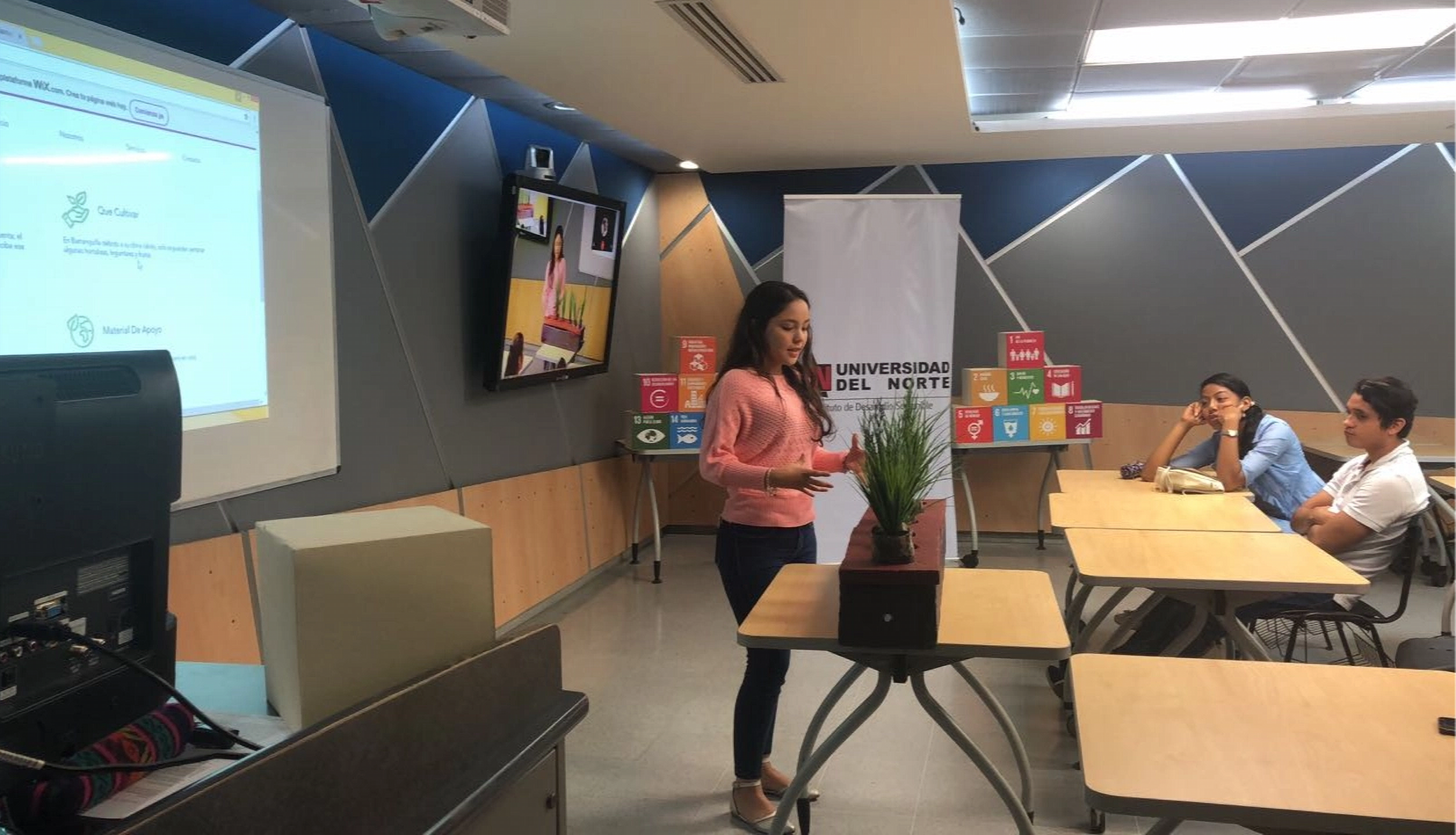
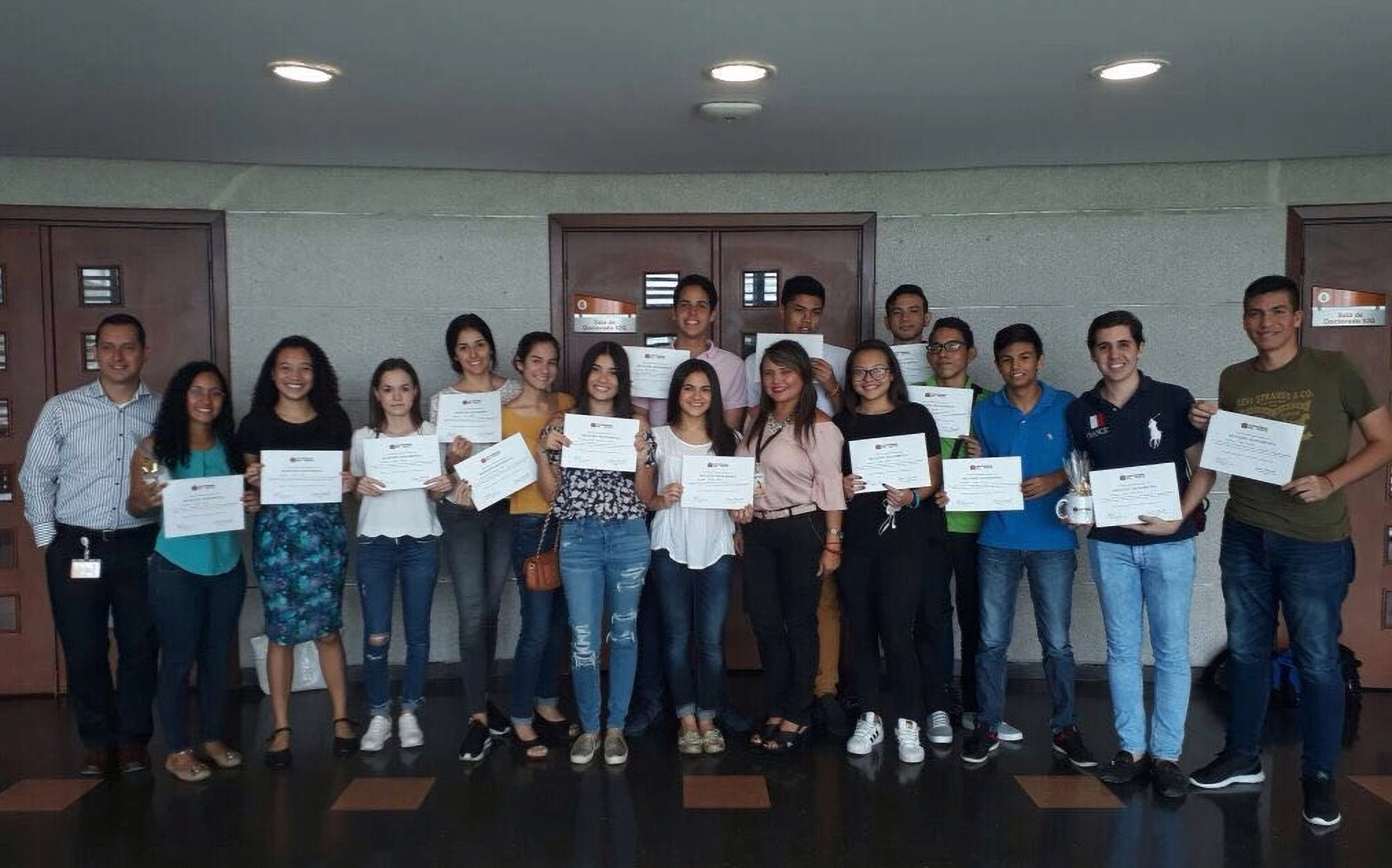
First-year students at Universidad del Norte participating in the FAC process (UniNorte, IDS)
The FAC method (SUFORALL, n.d.) could be applied in cities, where citizens receive basic sustainability training, carry out a sustainable action in their urban environment, and certify that action within a "knowledge environment" that fosters shared understanding and active participation — obtaining a certification that the city can use to demonstrate that a given percentage of the population has been trained in sustainability.
Companies would also benefit from creating a knowledge environment for sustainability, as this would strengthen their internal processes, foster employee participation, and make both collective progress and individual contributions visible. In this context, the FAC method (Training‑Action‑Certification) provides a concrete implementation pathway: in an initial phase, employees would receive basic sustainability training tailored to the company’s operations (for example, energy consumption, waste management, or supply chains); subsequently, each employee or team would develop a specific action within their area of work —such as reusing printed sheets, avoiding disposable cups, using sustainable means of transport or optimising processes to reduce energy consumption and waste generation—; and finally, these actions would be internally recorded and certified, generating tangible evidence of organizational commitment. This process not only enables employees themselves to communicate and disseminate the company’s sustainable practices, enhancing its image in a context where consumers increasingly value sustainability (Harvard Business Review, 2019), but also strengthens the sense of belonging, as various studies show that employees prefer to work for organizations committed to these values (IBM Corporate Purpose Study, 2019). In this way, sustainability ceases to be the exclusive responsibility of a specific department and becomes integrated across the entire organization; just as many companies provide industrial safety training for new employees, they could incorporate sustainability modules based on the FAC approach into their onboarding and continuous development processes.
"Everyone on the planet should know about sustainability, regardless of academic background, social condition, culture or professional experience." — Suforall (Sustainability for all)...
Conclusion
From Glaeser's perspective, sustainable action would be strengthened when cities, companies, and educational institutions become active knowledge environments built on human interaction, proximity, and diversity. By integrating basic learning, everyday action, and the certification of effort, these spaces would succeed in transforming sustainability from a broad discourse into concrete, measurable, and shared practices — advancing step by step with visible, cumulative results over time.
*****
Contribution to the Sustainable Development Goals (SDGs)
Applying a knowledge environment for sustainable development and, more specifically, the FAC methodology makes contributions to the following SDGs:
SDG 4 – Quality Education
The sustainability knowledge environment is grounded in basic training accessible to the entire population, regardless of educational level or social situation. The FAC model (Training‑Action‑Certification) and the very idea of certifying informal learning connect directly to target 4.7, which calls for all learners to acquire the knowledge and skills needed to promote sustainable development.

SDG 8 – Decent Work and Economic Growth
In the business sphere, this knowledge environment improves the working climate, employee engagement, and the organisation's image by embedding sustainable practices into work processes. This aligns with the logic of SDG 8, which seeks sustained economic growth and decent work, linking sustainability, well-being, and economic development.
SDG 10 – Reduced Inequalities
The model is built on an inclusive principle: sustainability training should reach all people equally, regardless of their origin, education, or socioeconomic condition. In the case of Basel, with its new residents, it would be made evident that all people have the same opportunity to access basic information and training on sustainability, which would help reduce information and participation gaps — connecting with target 10.2, which seeks the social, economic, and political inclusion of all groups.
SDG 11 – Sustainable Cities and Communities
The proposal is situated in the city. The aim is for citizens to understand and act on urban sustainability in their daily lives, which responds to target 11.3, which seeks to increase citizen participation in the planning and design of inclusive, compact, and sustainable cities.
SDG 13 – Climate Action
The model seeks to transform basic sustainability training and daily habits into concrete, measurable climate actions. By informing citizens about local climate objectives, target 13.3 is reinforced, which proposes improving education, awareness-raising, and capacities for climate change mitigation and adaptation.
SDG 17 – Partnerships for the Goals
The knowledge environment functions through collaboration among municipalities, universities, businesses, research centres, and citizens. This multisectoral cooperation aligns with SDG 17, which promotes global and local partnerships to advance the 2030 Agenda and achieve effective sustainable development.
Notes
[1] Edward Glaeser is an American economist and professor at Harvard University, specialising in urban economics. His work highlights how cities, through density and human interaction, foster innovation and economic growth. Glaeser also argues that sustainable urban development is fundamental, emphasising the importance of policies that promote compact and accessible cities in order to strengthen both environmental well-being and economic progress.
[2] A Silicon Valley bar called the Wagon Wheel is cited as an example of how knowledge exchange operated in that technological environment. At the end of the working day, engineers, programmers, and entrepreneurs would gather there and, in informal conversations, share technical problems, solutions, information about new projects, and professional contacts. That constant flow of ideas outside the workplace helped accelerate innovation and facilitated the creation of new companies. For the author, this case shows that many advances depend not only on work carried out inside offices or laboratories, but also on physical proximity and frequent encounters among talented individuals.
[3] The concept of a sustainability knowledge environment, proposed by Trespalacios (2018) in his doctoral plan at Universidad CEU (Spain), posits that when a population is informed and trained on topics such as energy and sustainability, the exchange of knowledge among citizens, institutions, and companies facilitates a better understanding of shared objectives. This environment promotes the more effective application of sustainable policies and renewable energy strategies within the population and the territory, particularly within processes of sustainable energy planning.
[4] The pilot project was carried out in collaboration with the research professors of the Institute for Sustainable Development (IDS) of the Universidad del Norte: Claudia Blanquicett and Germán Rivillas.
[5] Introduction to Sustainable Development course, taught at Universidad del Norte, in Barranquilla, Colombia:
References
Glaeser, E. L. (2011). Triumph of the city: How our greatest invention makes us richer, smarter, greener, healthier, and happier. Penguin Press. https://www.penguinrandomhouse.com/books/307280/triumph-of-the-city-by-edward-glaeser/
Harvard Business Review. (2019). The elusive green consumer. https://hbr.org/2019/07/the-elusive-green-consumer
IBM Institute for Business Value. (2019). Corporate purpose study: How purpose‑driven companies create value. IBM. https://www.ibm.com/downloads/cas/EXK4XKX8
Kanton Basel‑Stadt. (s. f.). Neu im Kanton Basel‑Stadt? Recuperado el 26 de abril de 2026, de https://www.bs.ch/themen/persoenliches-und-wohnen/zuzug-und-aufenthalt/zuzug-den-kanton-basel-stadt/neuinbasel
SUFORALL. (s. f.). Formation. https://www.suforall.org/formation
Trespalacios, J. (2018). Ambiente de Desarrollo Sostenible para generar innovación y un mejor desarrollo a la sostenibilidad. SUFORALL. https://www.suforall.org/es/post/ambiente-de-desarrollo-sostenible-para-generar-innovacion-y-un-mejor-desarrollo-a-la-sostenibilidad
Trespalacios, J. (2018). Doctoral plan: Hypotheses to promote sustainability in cities. Universidad CEU, Spain.
Trespalacios, J. (2019). Trespalacios, J. (2019). Samsø: when a community decides its own energy future. Suforall. https://www.suforall.org/en/post/samso-community-shapes-own-energy-future
Trespalacios, J. (2020). The case of the island of Samsø: how it became 100% renewable. Suforall. https://www.suforall.org/en/post/the-case-of-samso-island-how-they-achieved-100-renewable-energy
Bonus track
Images from the application of the FAC methodology at Universidad del Norte, Barranquilla (Colombia); first-year student project presentations, which were also opened online to the general public:
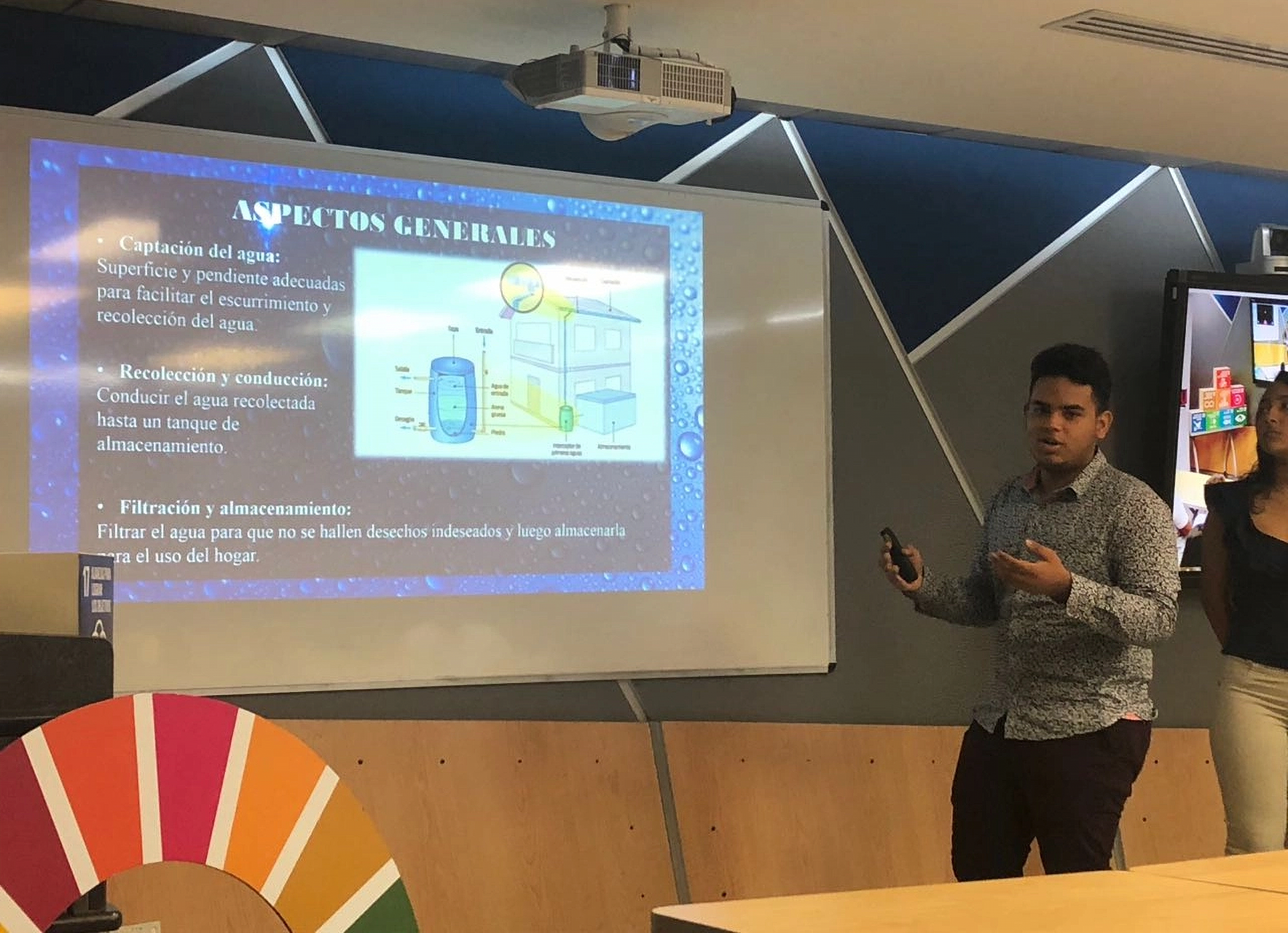
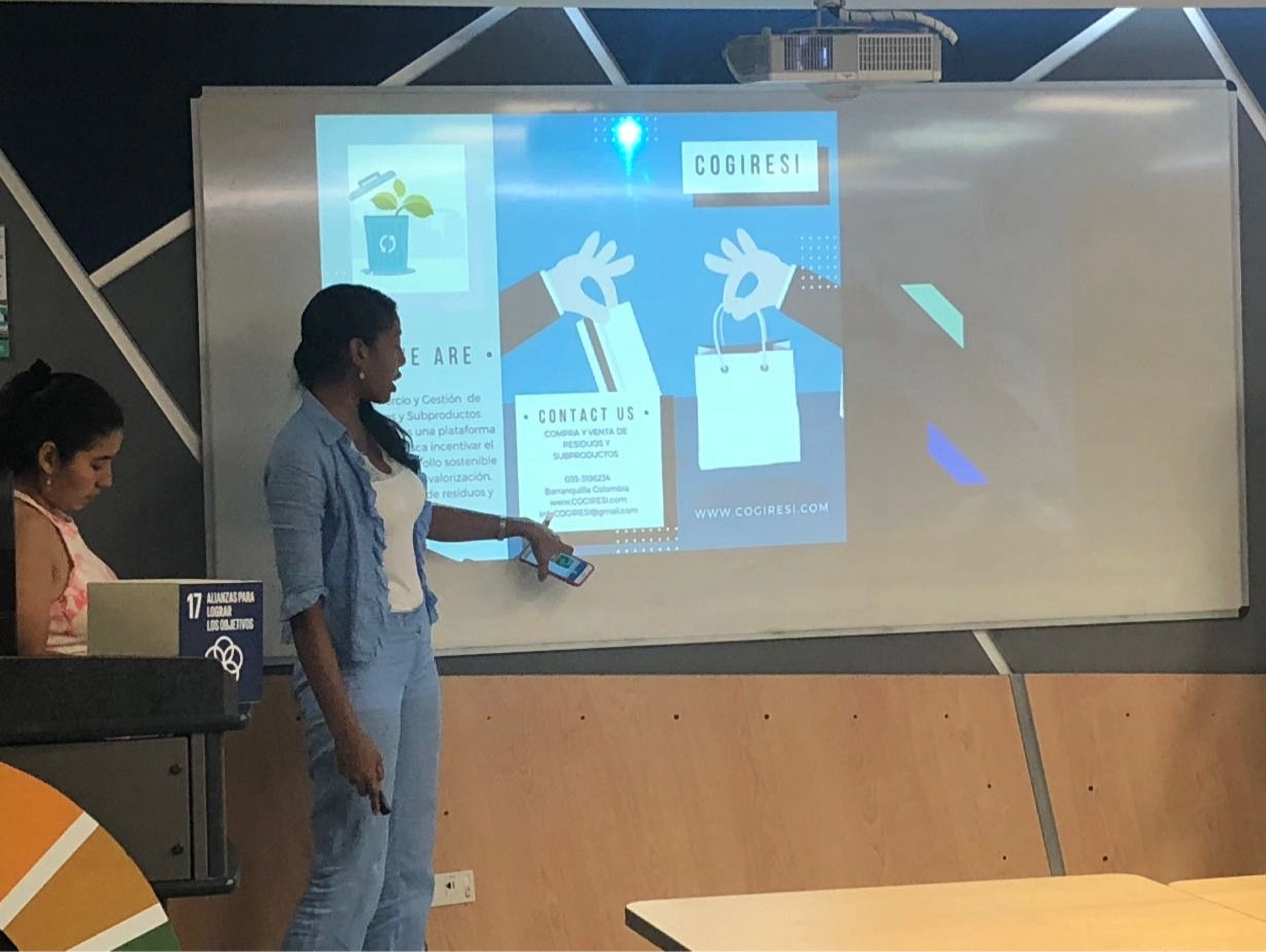
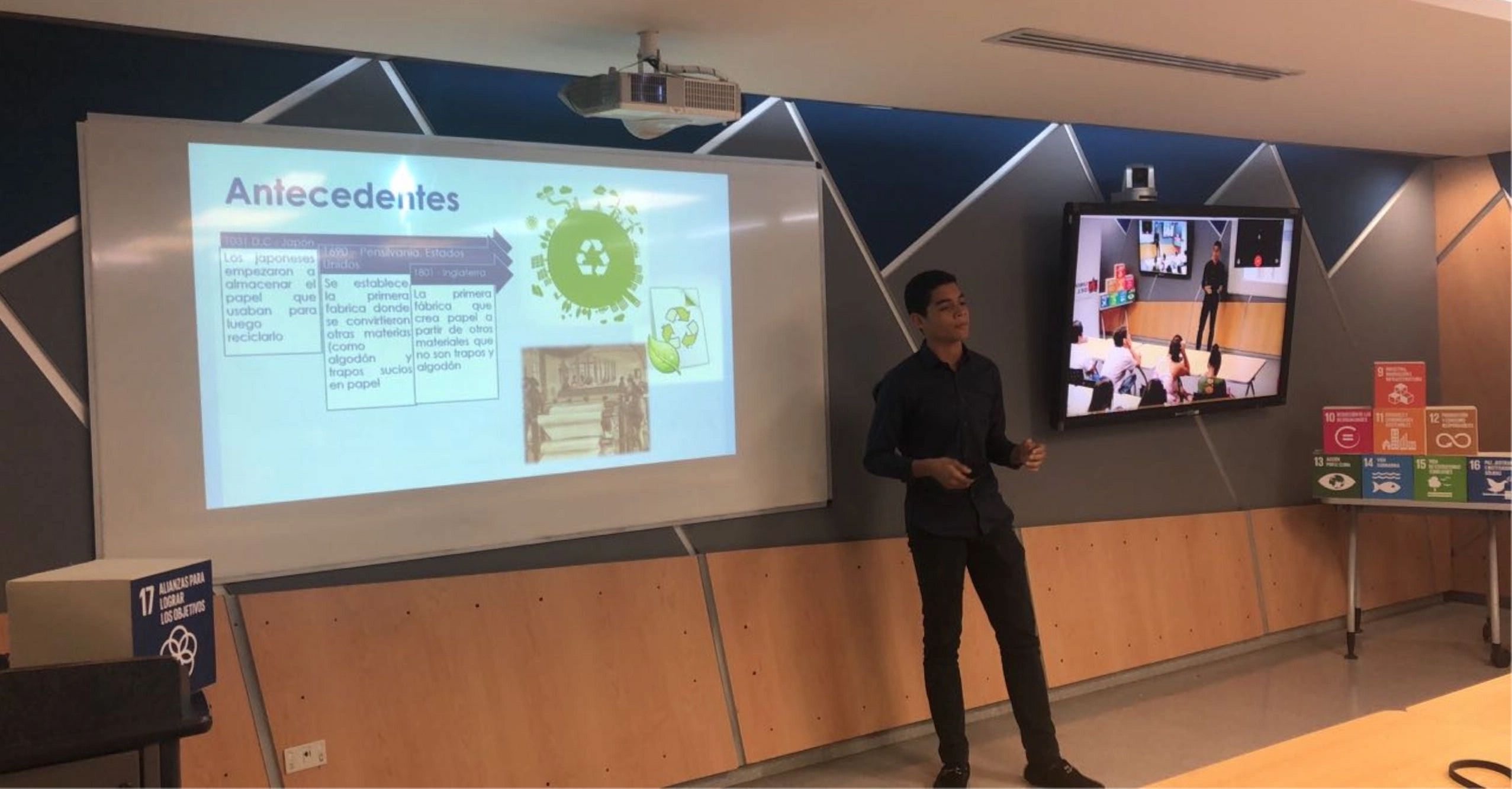
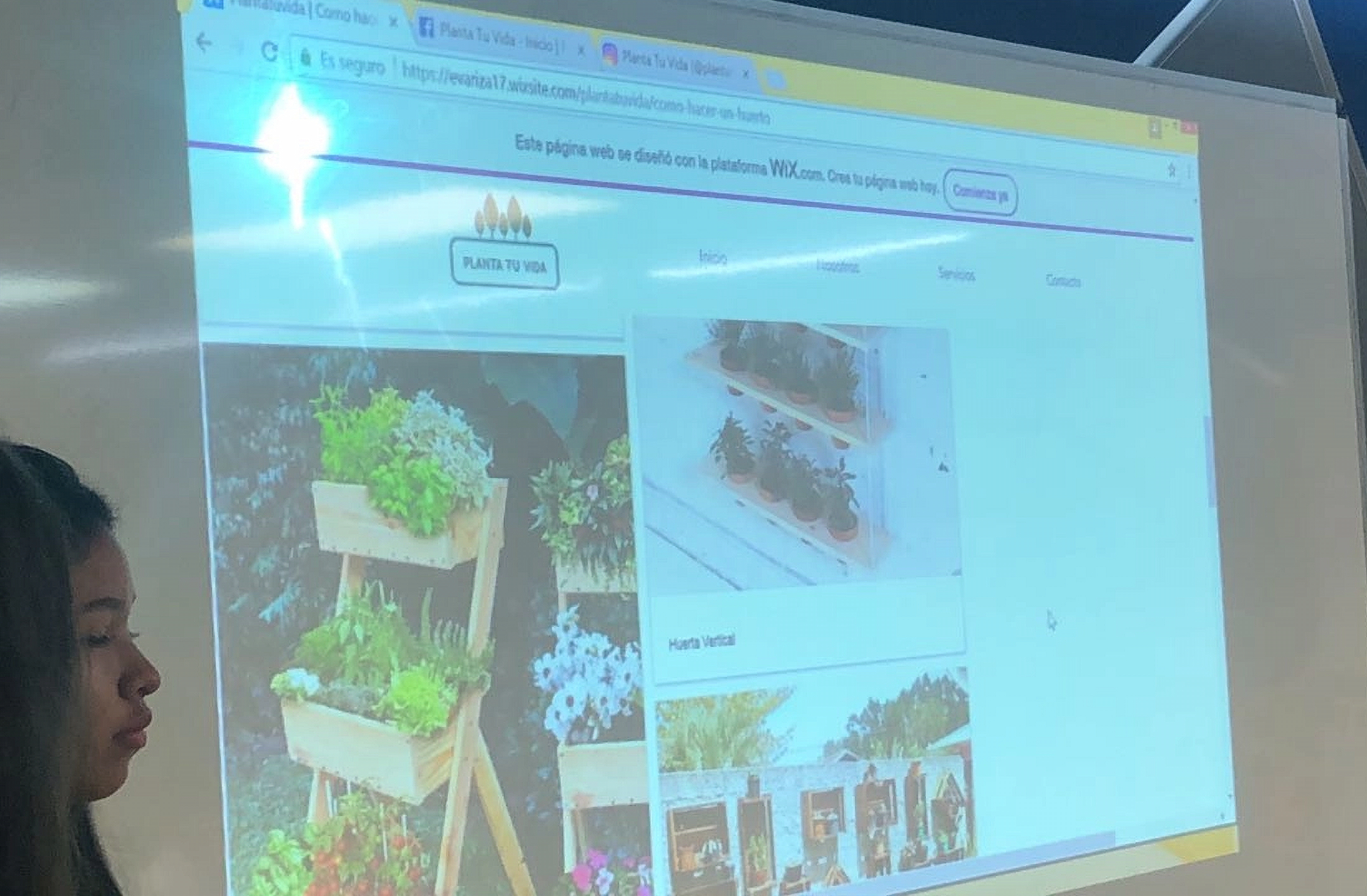
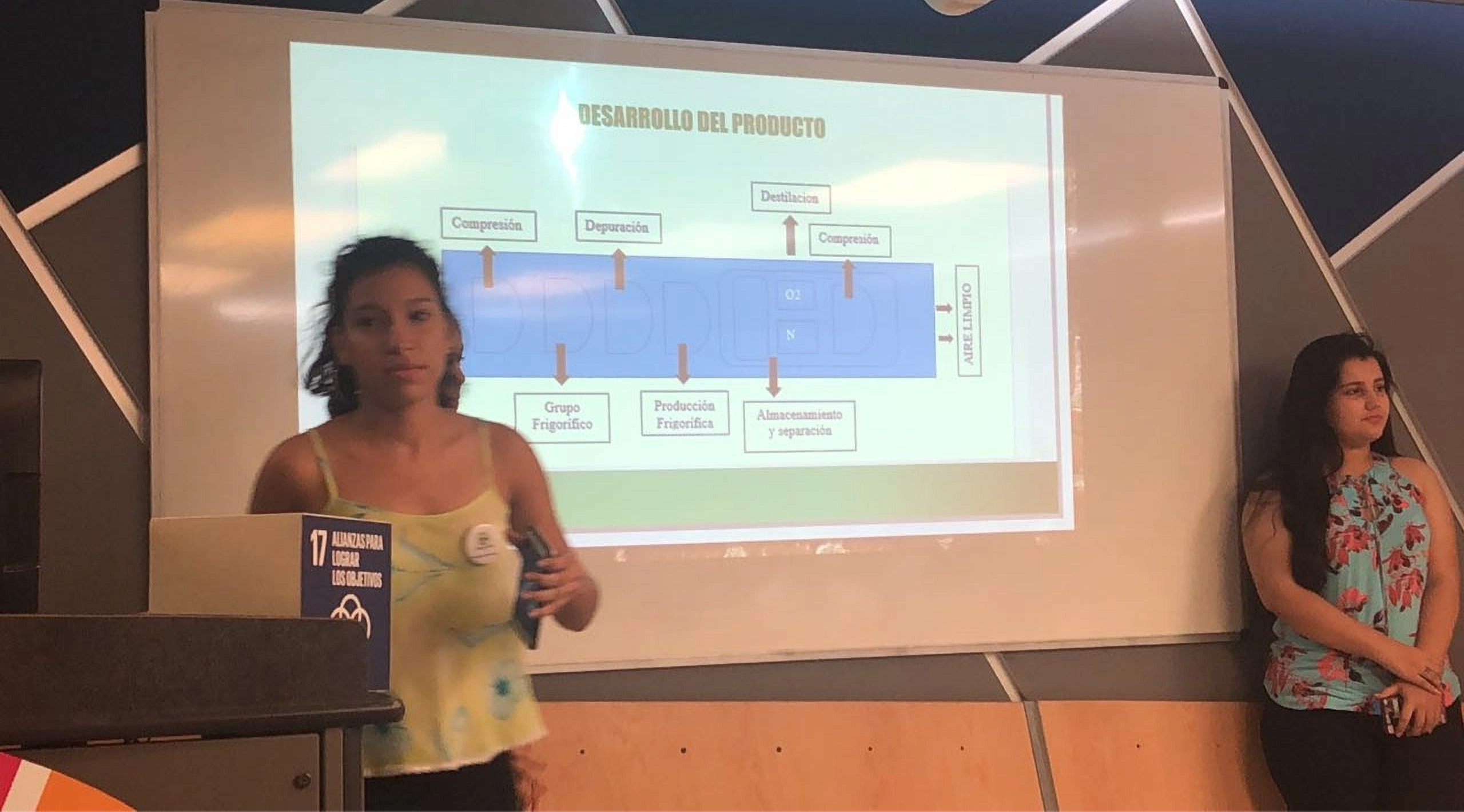
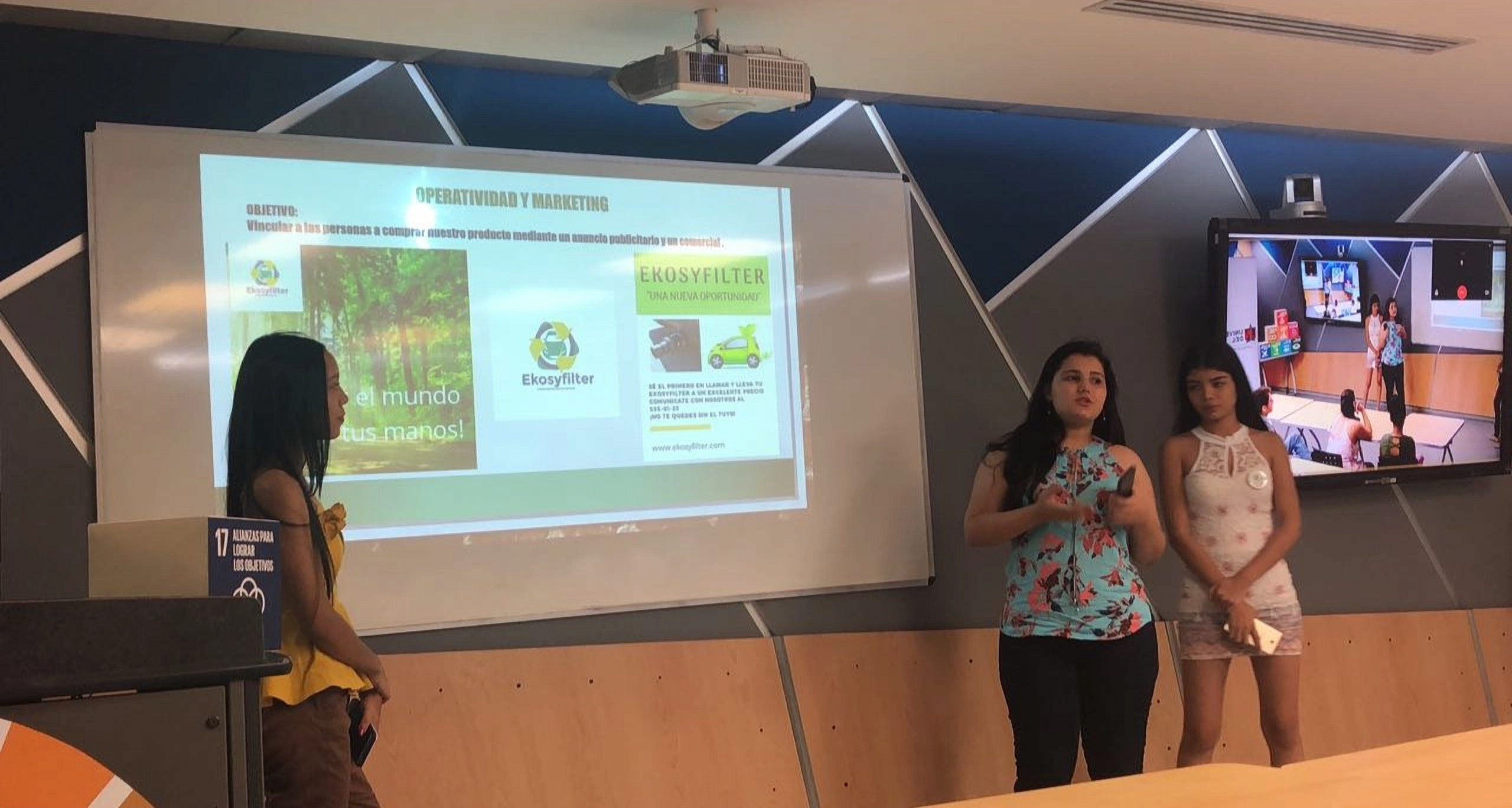
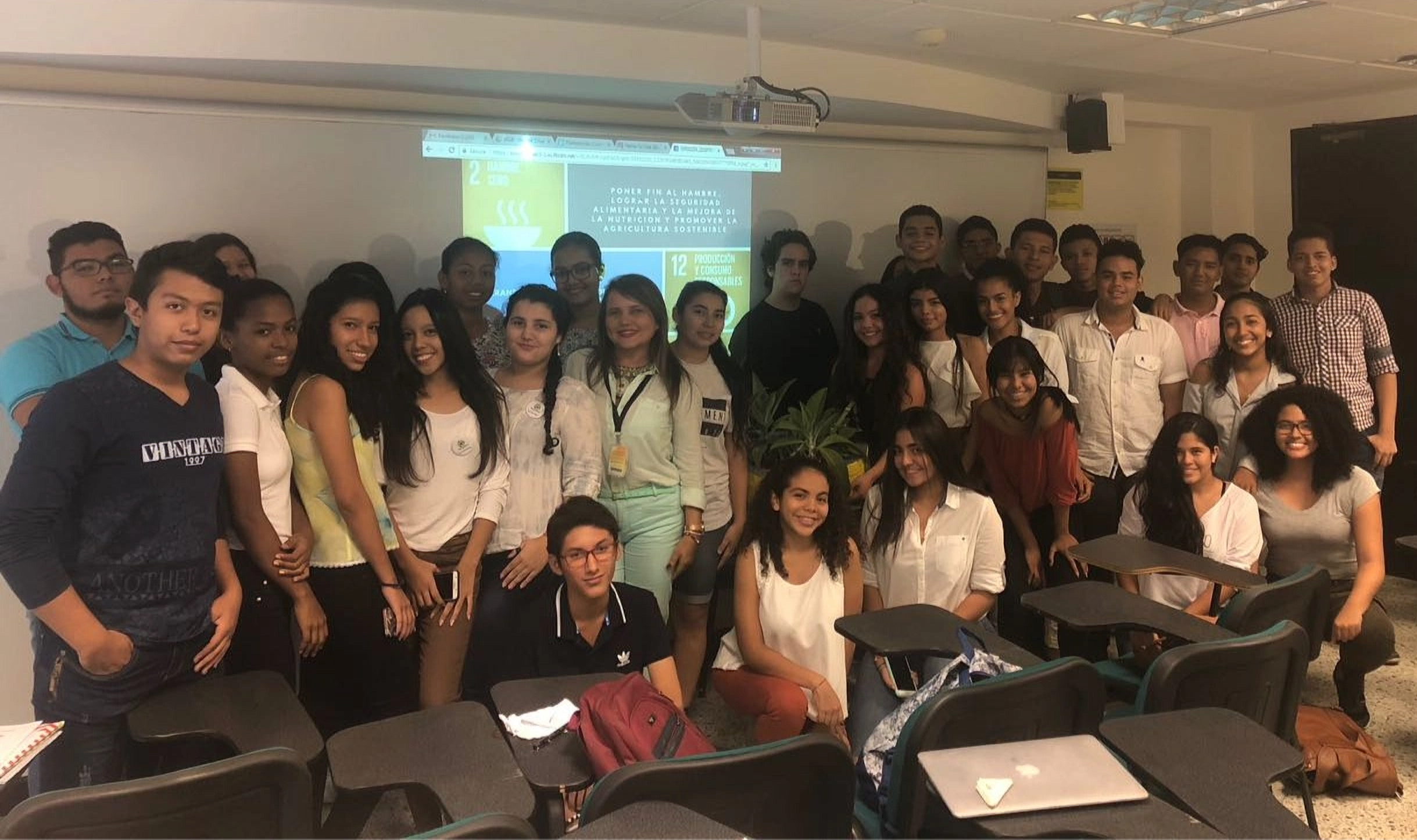
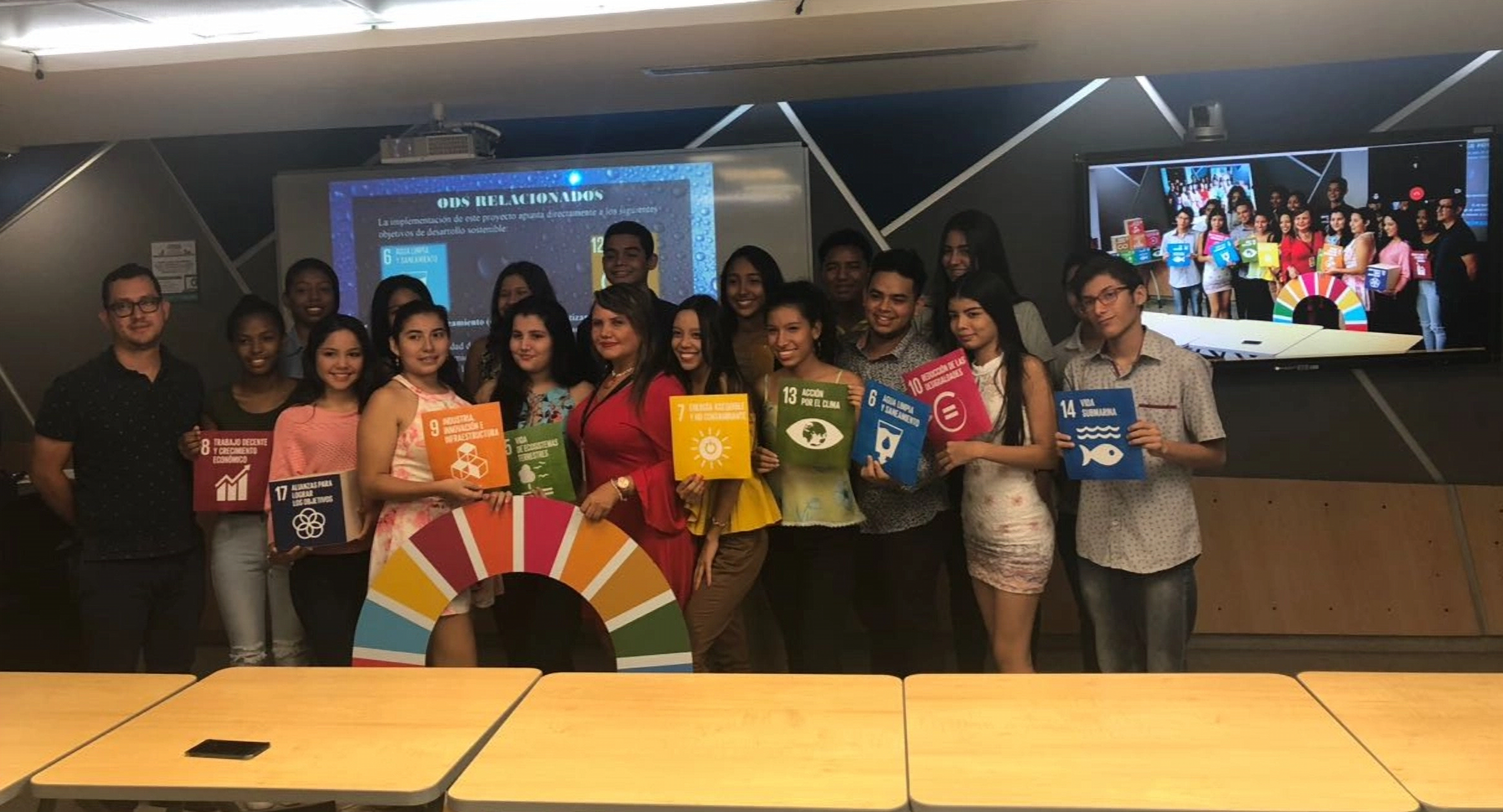
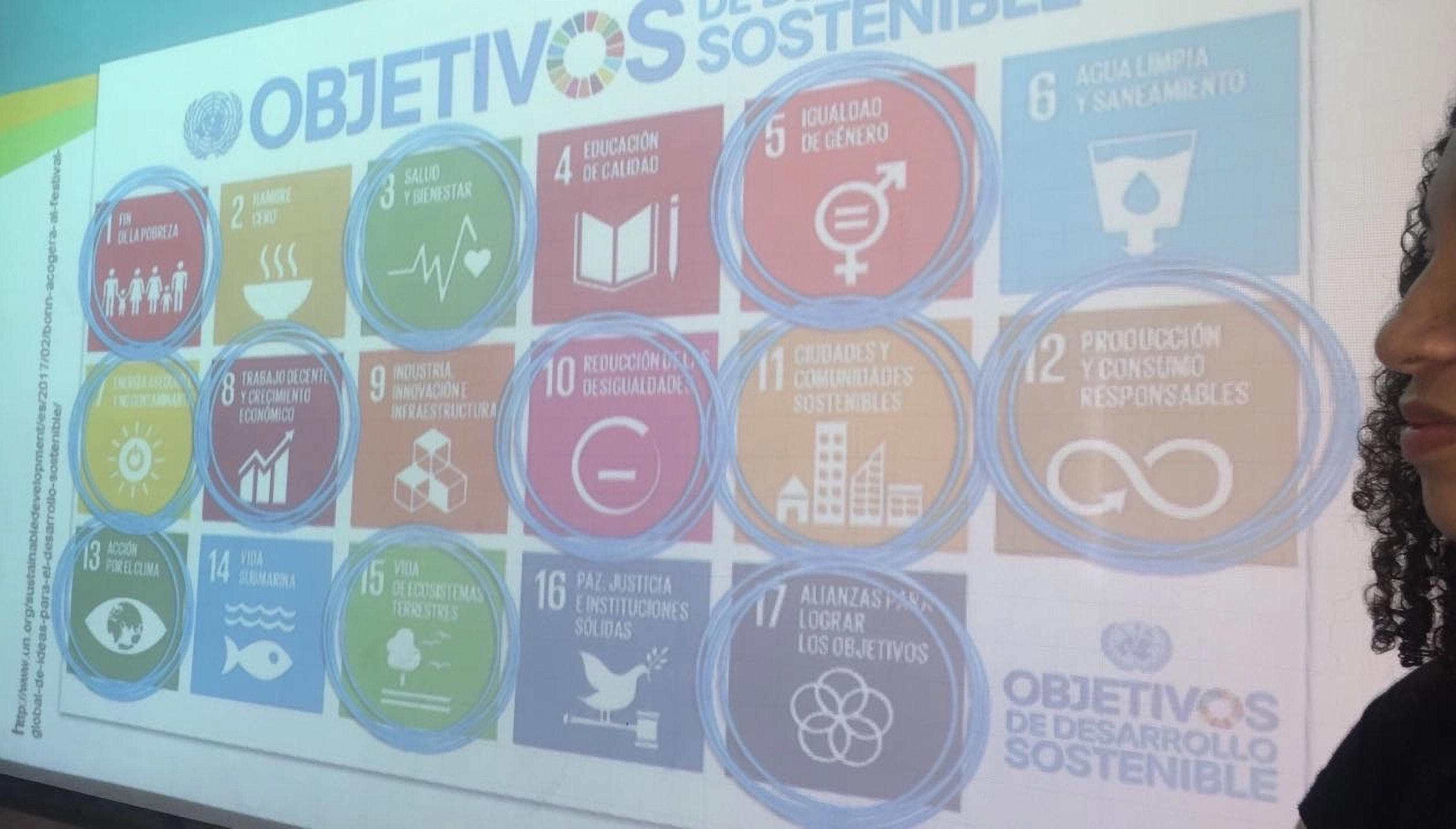
First-year students at Universidad del Norte in the FAC process (UniNorte, IDS)
Opinions from participating students:


Comments